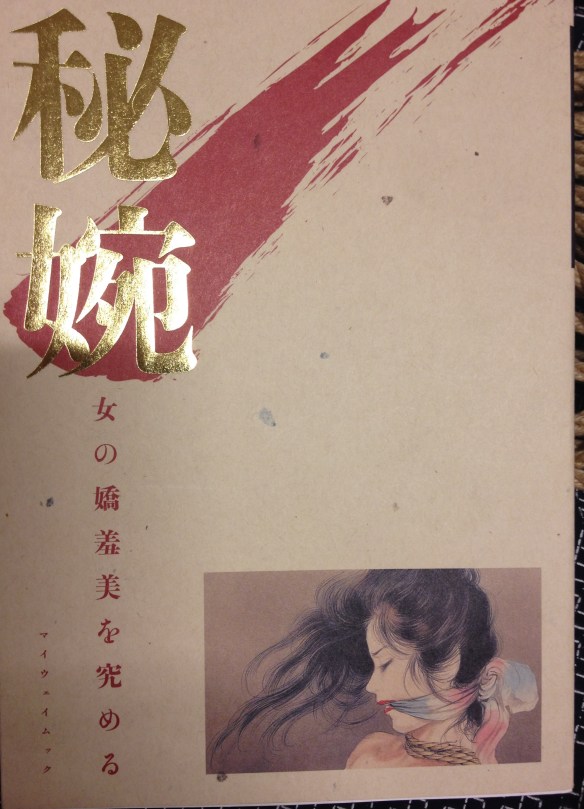
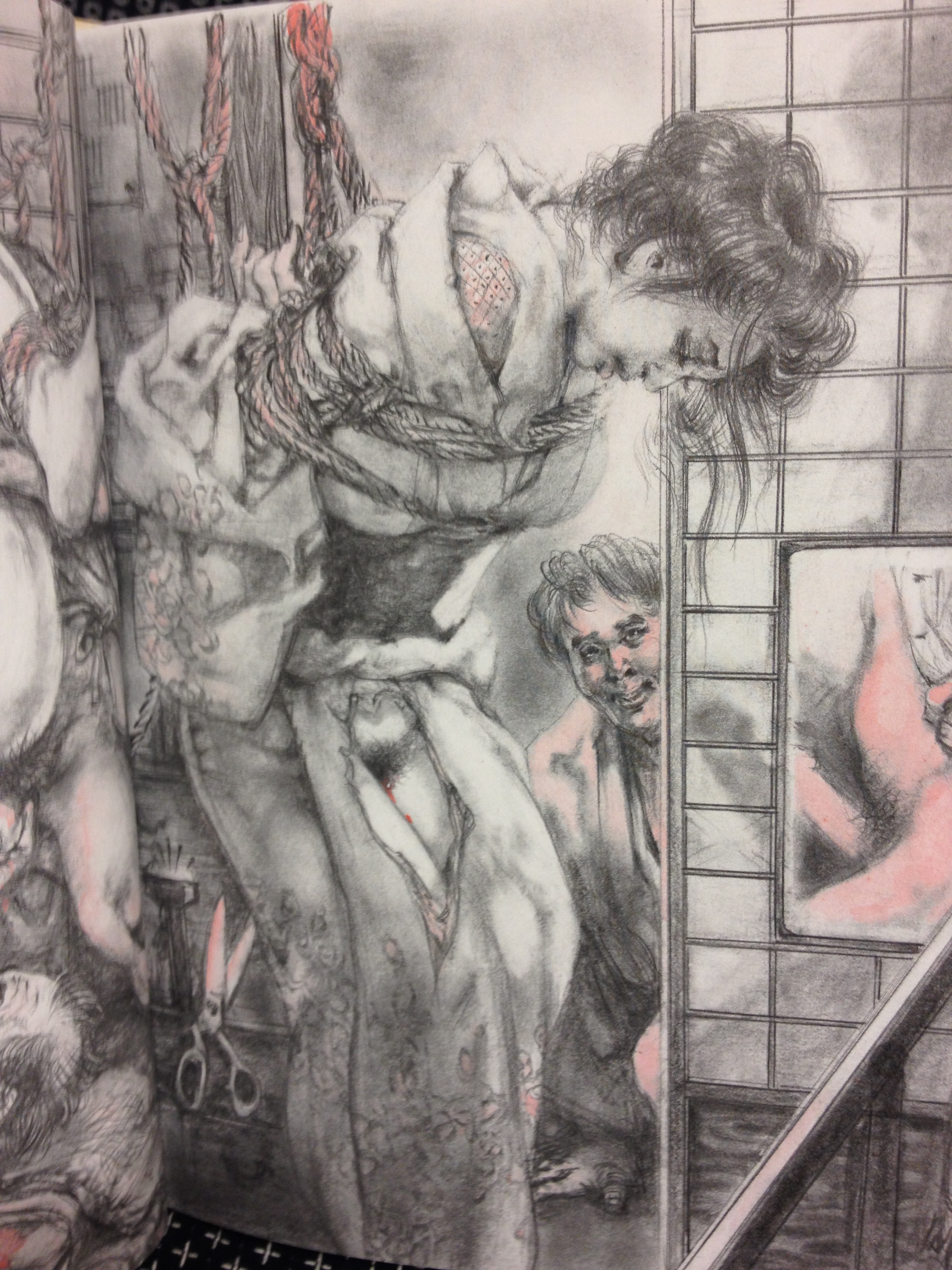
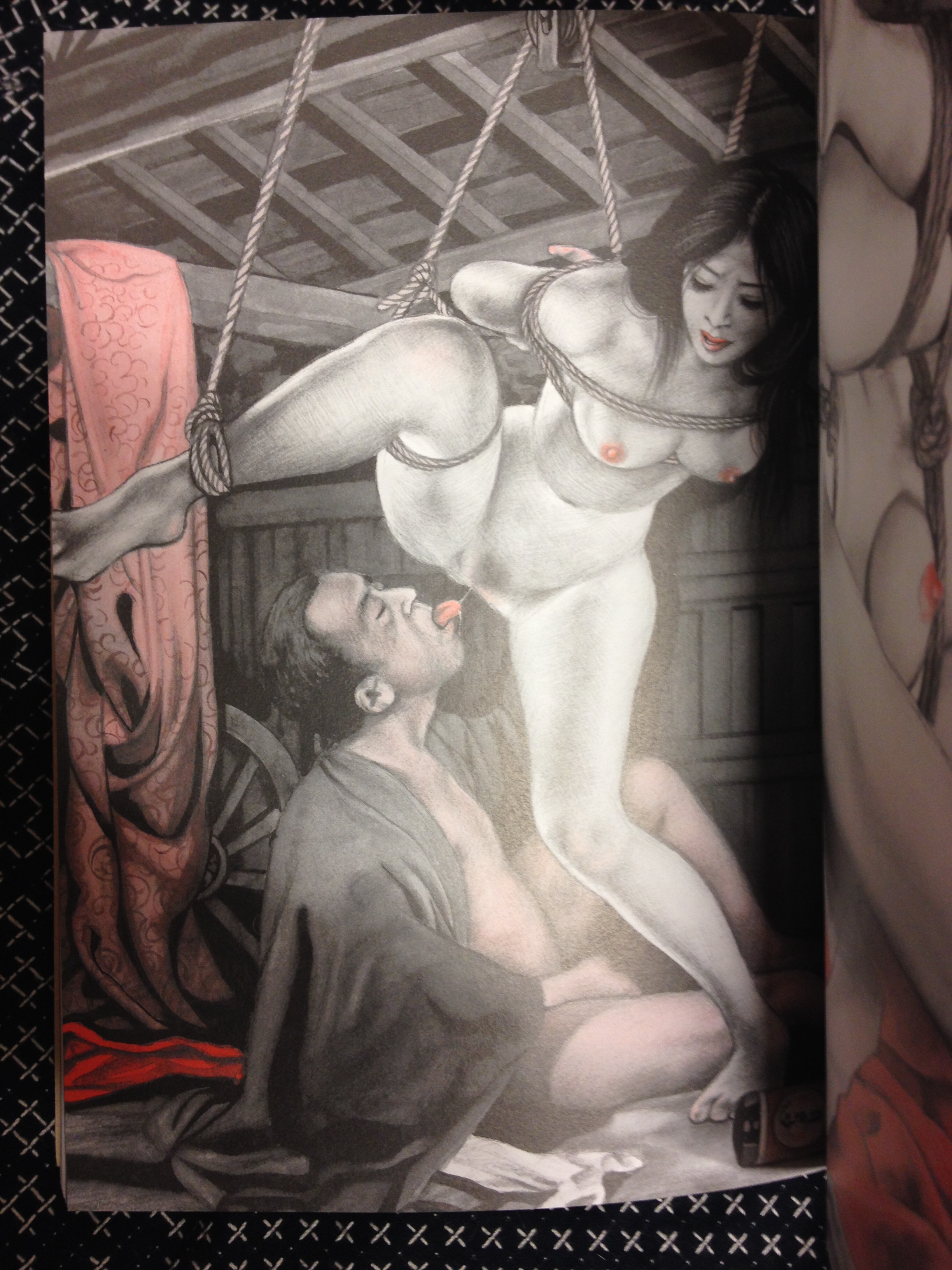
Kitoh Akira (and others): 画集 秘婉 小妻容子 鬼頭暁 笠間しろう 前田寿按 SM (2011)
Art-book with kinbaku-sketches by multiple artists, including Kitoh Akira.
ISBN: 13-978-4861357657

Kitoh Akira (and others): 画集 秘婉 小妻容子 鬼頭暁 笠間しろう 前田寿按 SM (2011)
Art-book with kinbaku-sketches by multiple artists, including Kitoh Akira.
ISBN: 13-978-4861357657
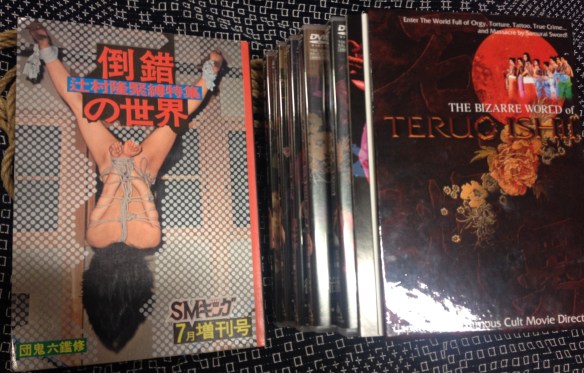


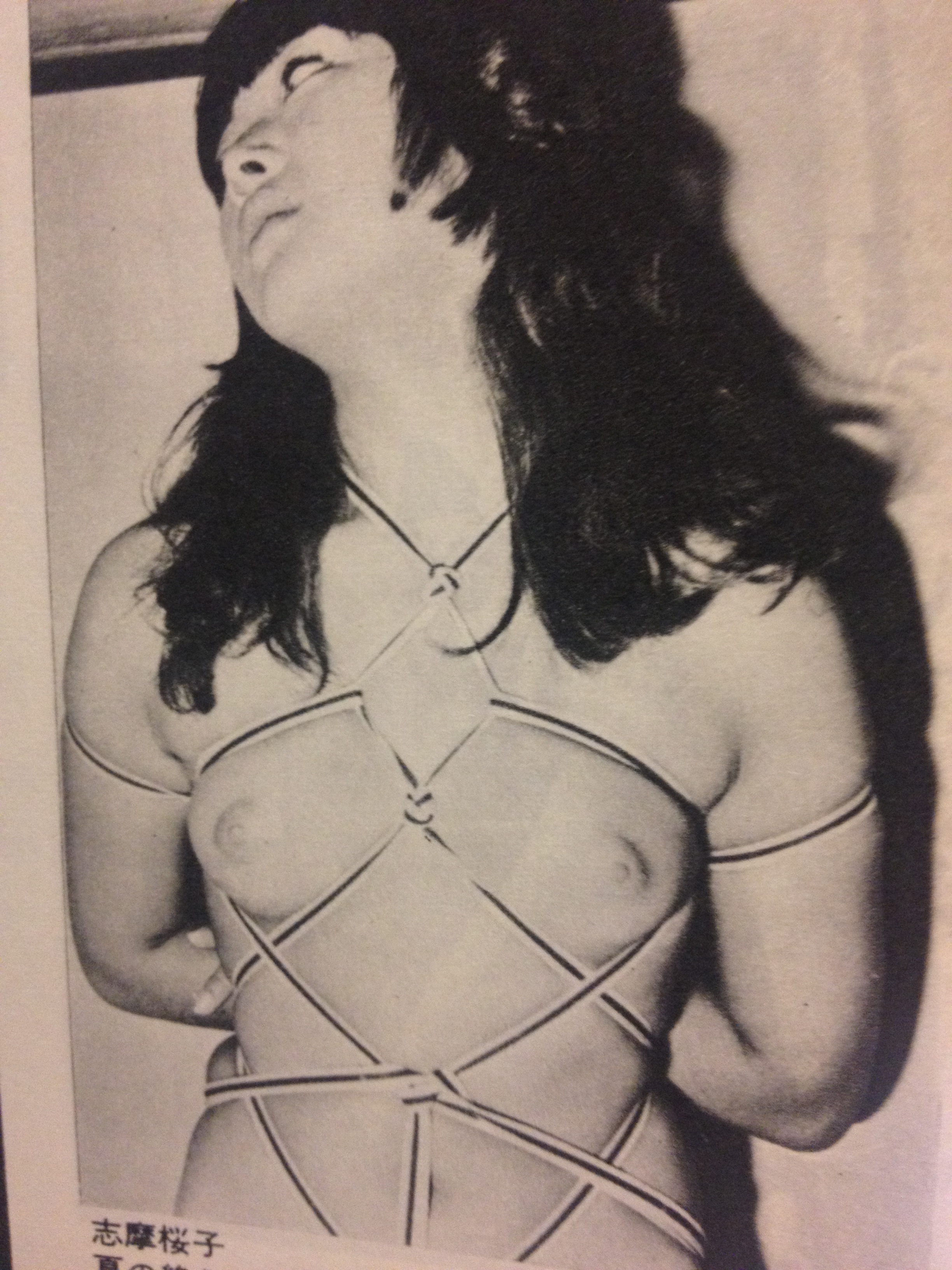
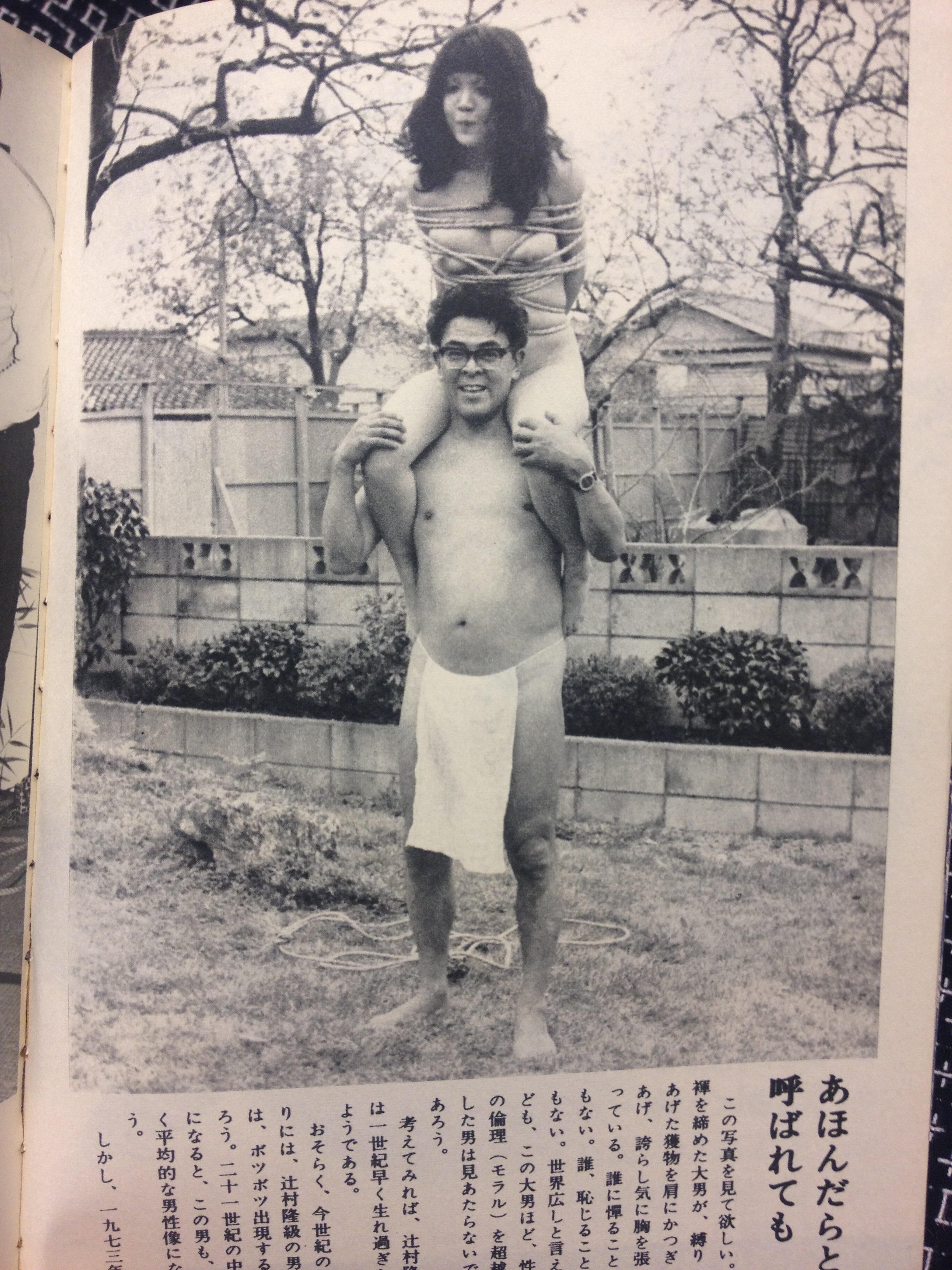

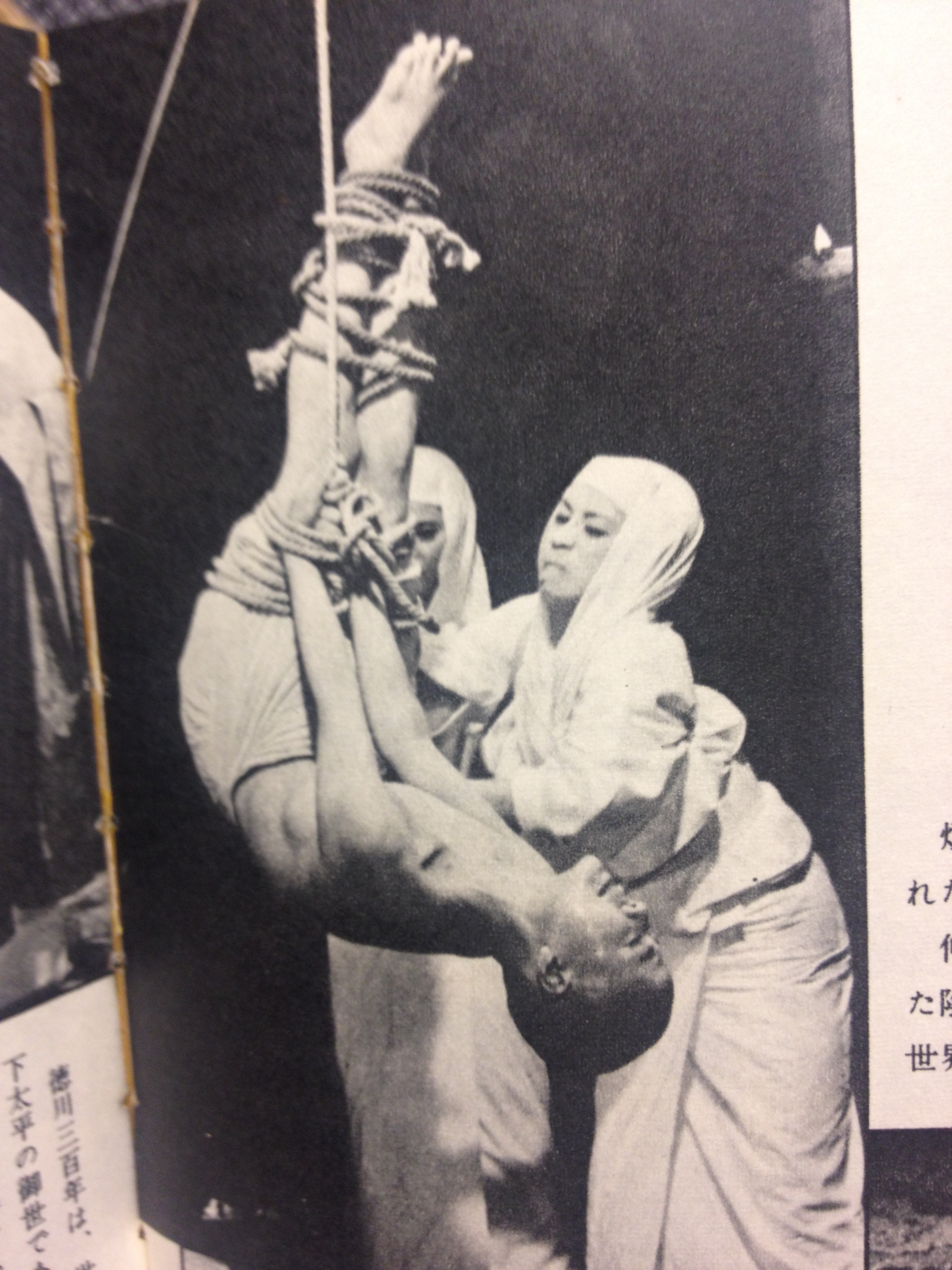
This special issue of SM KING has the title ”The World of Tsujimura Takashi”. The issue represents one of the few larger collections of his work, otherwise spread out in magazines. According to Nawapedia, it is also the first photographic work by Sugiura Norio ever to be published. (See: http://www.nawapedia.com/index.php?title=Norio_Sugiura)
Nawapedia writes: ”It would not be an exaggeration to say that Takashi Tsujimura established modern Kinbaku Art (…) Tsujimura acted as a kinbakushi for virtually the entire run of Kitan Club magazine…” (http://nawapedia.com/index.php?title=Takashi_Tsujimura)
I find it very interesting that in the mid 1950s, he wrote a series of articles about the expression of the face of the kinbaku-model.
In addition, it seems, Akechi Denki met him and learned from him during his formative years. (http://tokyobound.com/blog/?p=114)
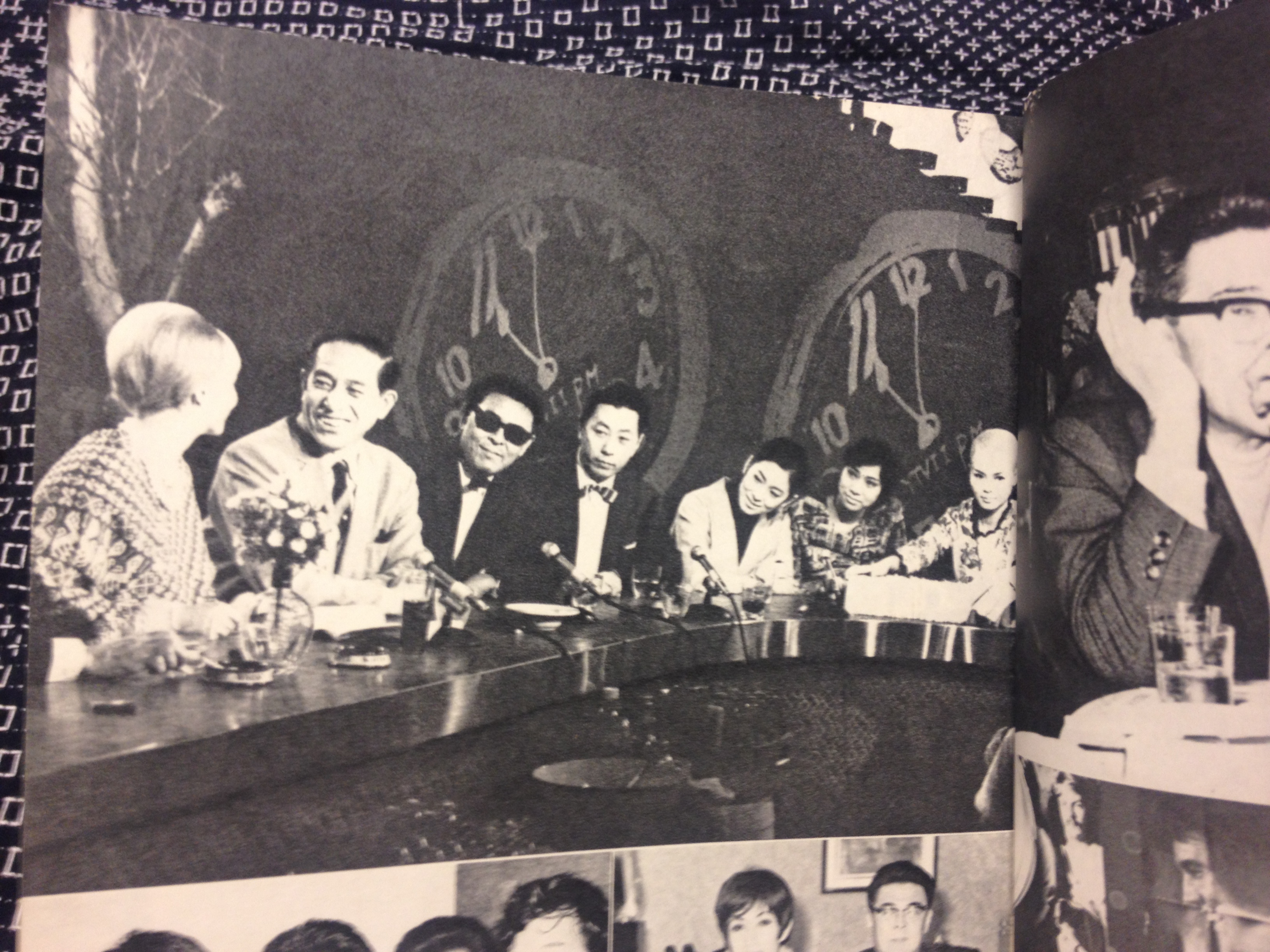
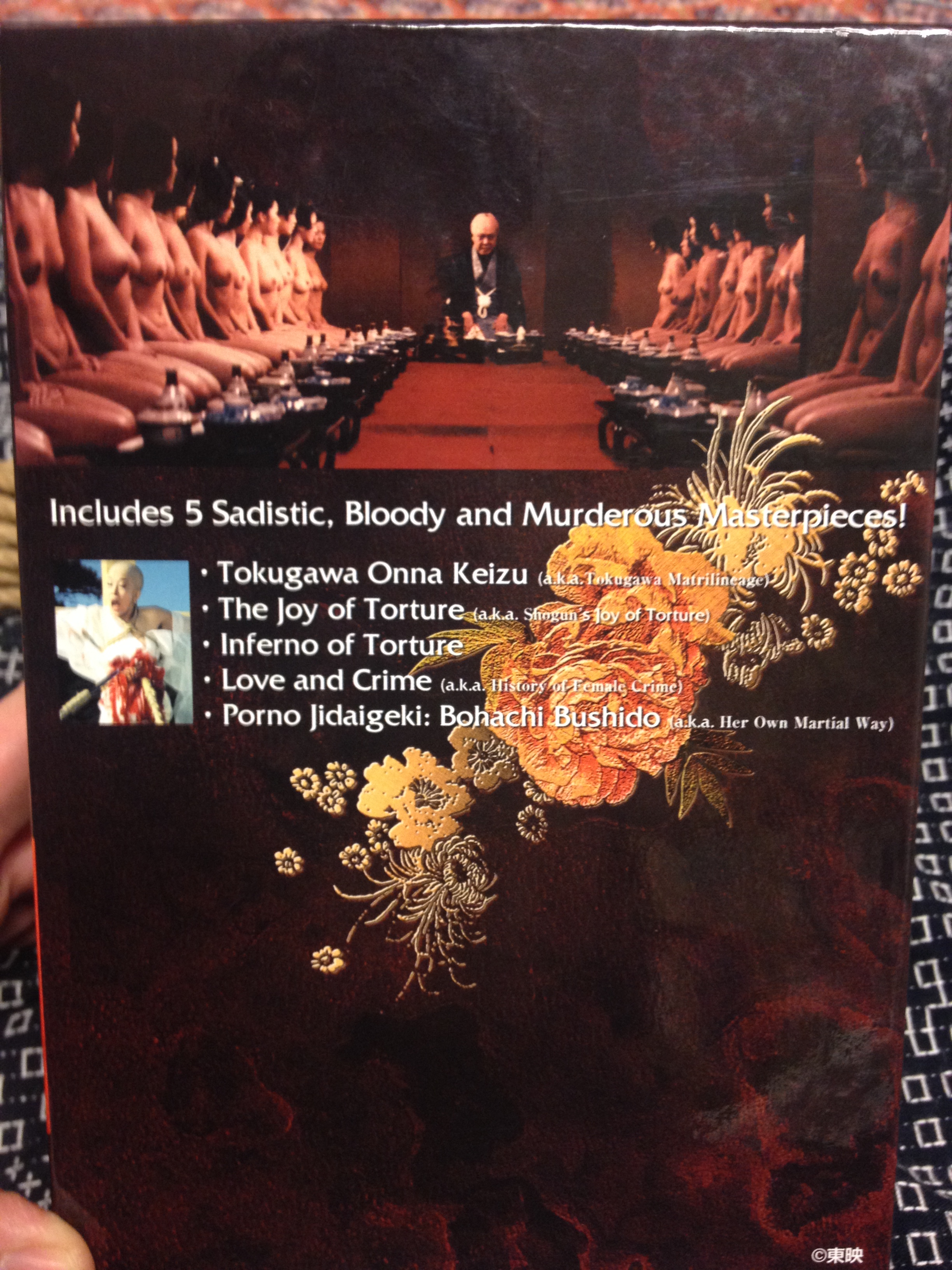
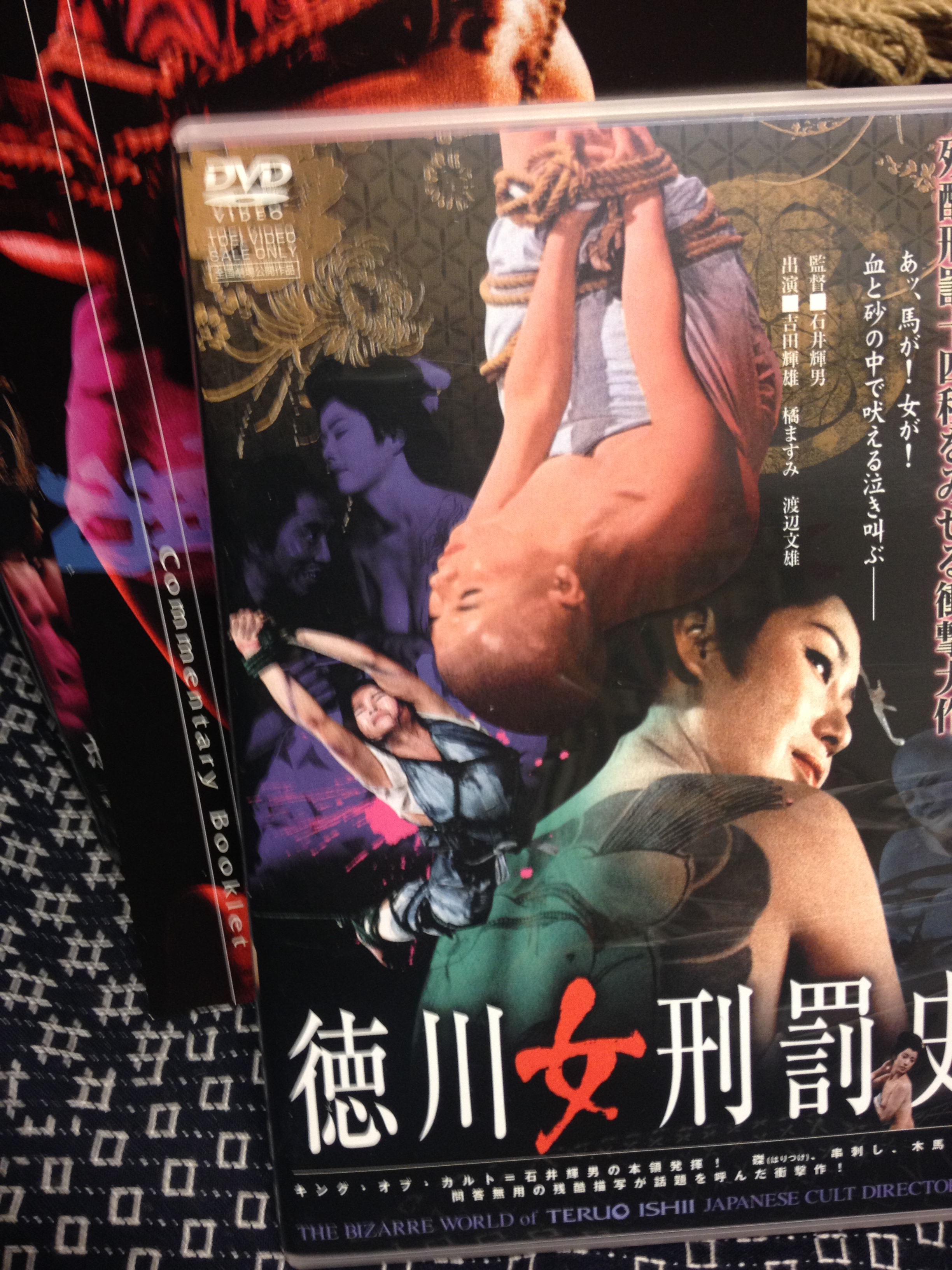
In one of the photos I have included below, Tsujimura is appearing publicly as an expert on bondage on the TV-show ”11 PM” in 1968. Around the same time, he was also responsible for the rope-bondage in a couple of large format dramatic movies by the director Teruo Ishii. The English text on the cover of this 5 dvd-box promises a ”world full of orgy, torture, tattoo, true crime… and massacre by samurai sword!” You will not be disappointed. The edition posted here has no English subtitles, but you can find these as well (I got mine here: http://japaneiga.free.fr/contact-info.html).
Master K writes in ”The Beauty of Kinbaku” (p. 61) that Tsujimura was the first ”magazine bakushi”, as he tied the model Kawabata Tanako in the Kitan Club, May/June issue 1952. This same issue according to Tsujimura himself, contains the first uses of the terms ”kinbaku” and ”kinbaku model” in a magazine.
PS
There is also a rare chance to see Tsujimura tie live for about 15 minutes in the historically very interesting 1971 Japanese documentary movie ”The World of Sexual Perversion” (セックスドキュメント 性倒錯の世界), now available on DVD (ASIN: B0058TI63Q). Here is the cover: 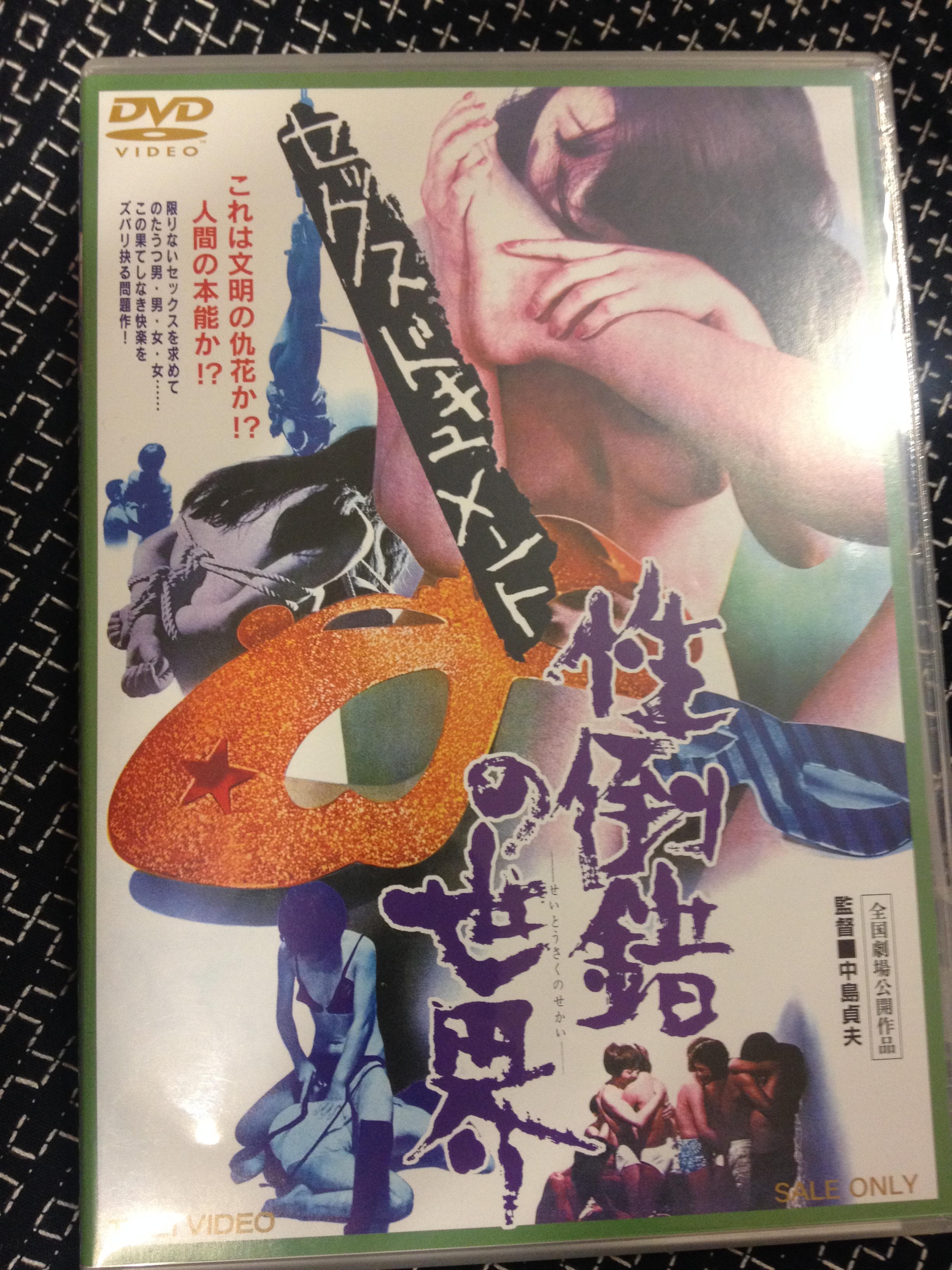
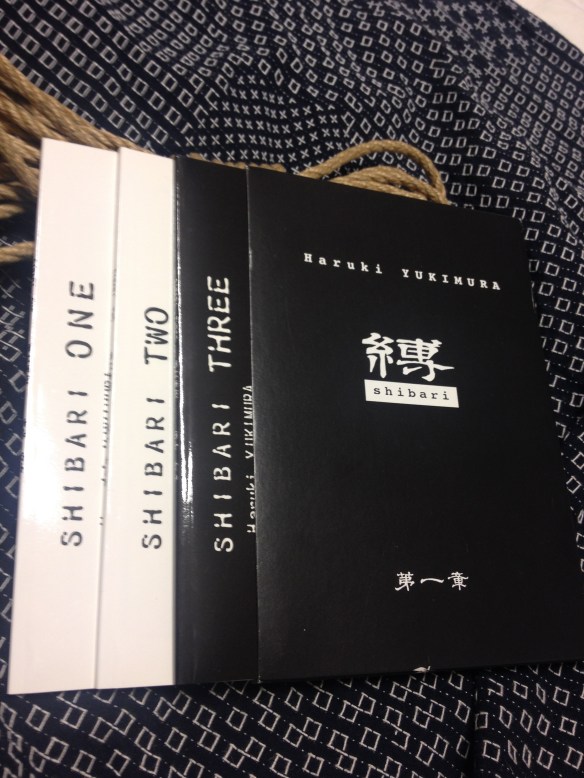

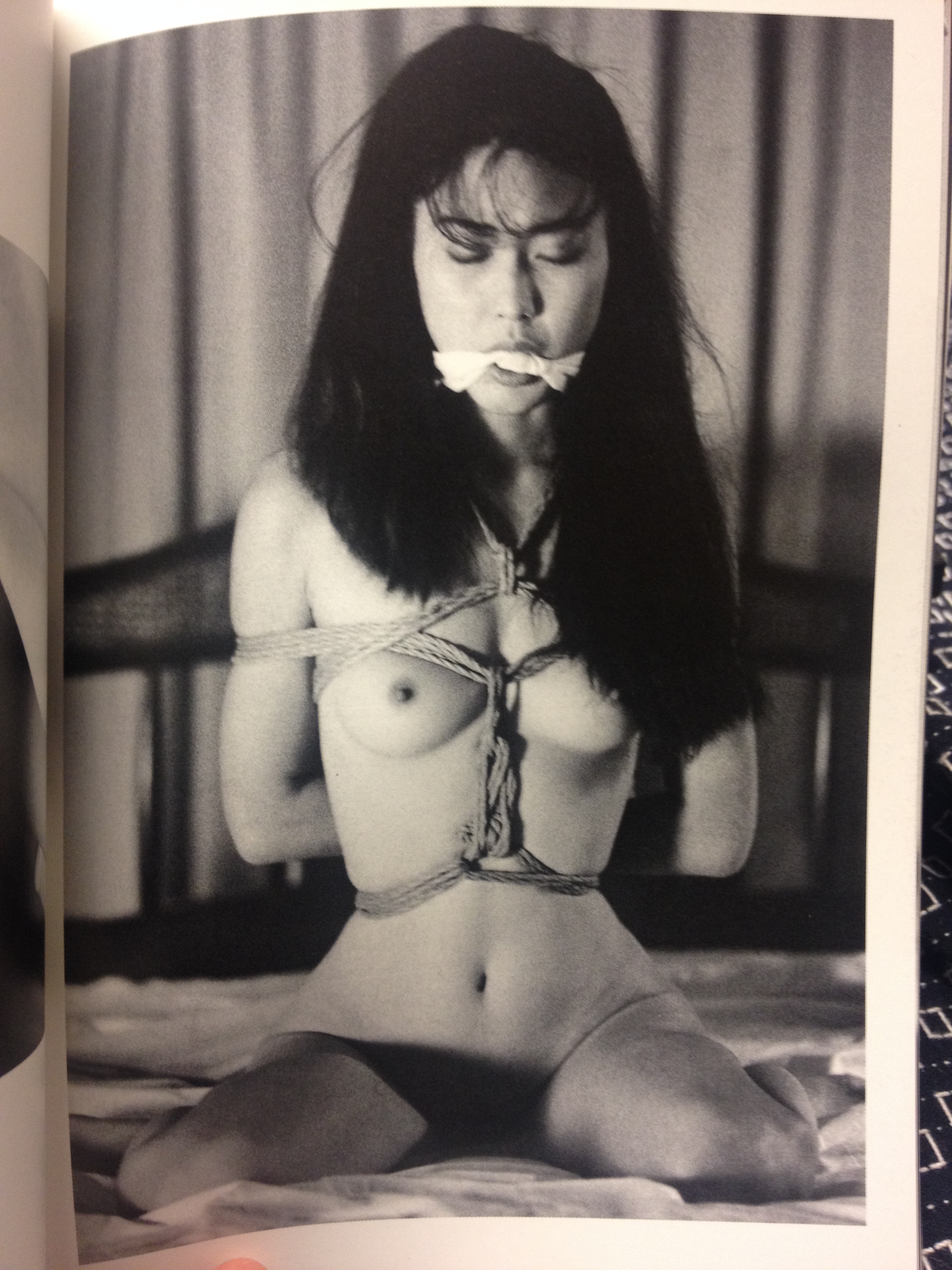
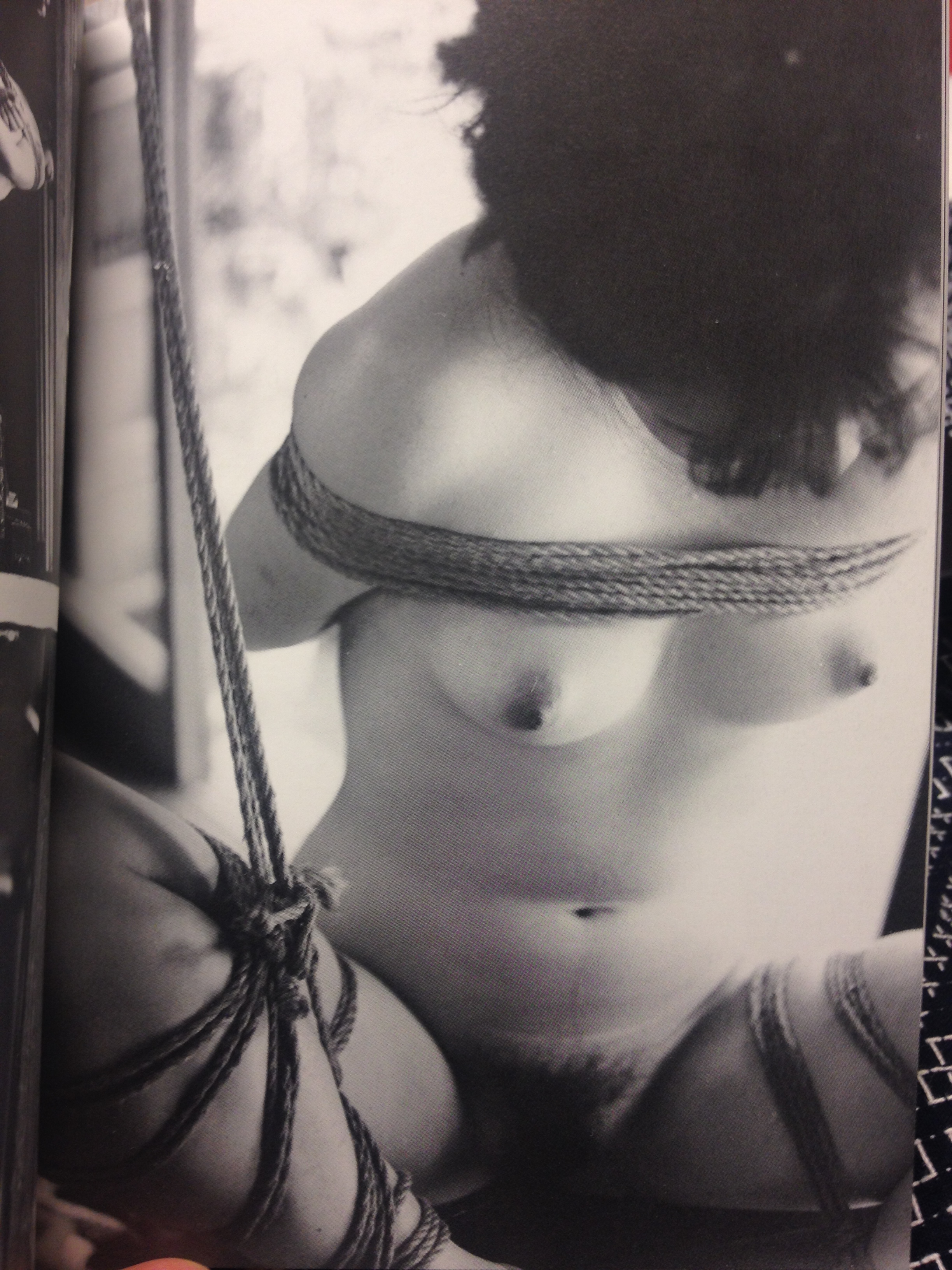
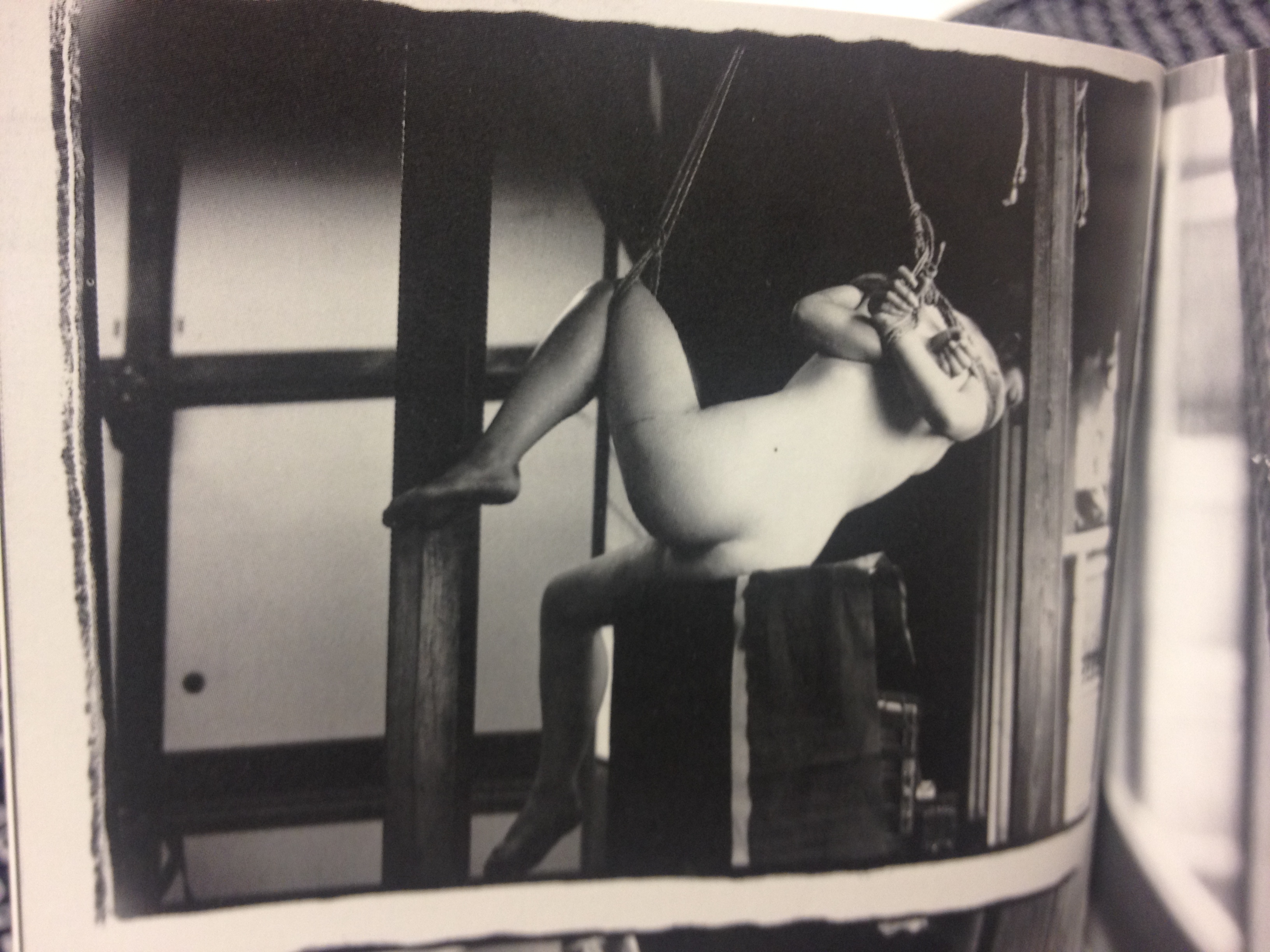

This carton-box contains three small photo-books in black and white. Master K, in his ”The Beauty of Kinbaku” calls them ”exquisite art photography books”, and mentions them on a short list of four outstanding photo-books as ”particularly impressive examples” (p. 50), later describing them as ”shibari/kinbaku photo art books (…) that rival in quality anything in the field” (p. 75). They were published by Yukimura himself through his – then active – company ”Sunset Video”.
ONE Model: Mai Masaki, Photo: Katumi Oka
TWO Model: Satuki Inoue, Photo: Keisuke Higure
THREE Model: Nijiko Tanaka, Photo: Tatsumi Watanabe
No ISBN.
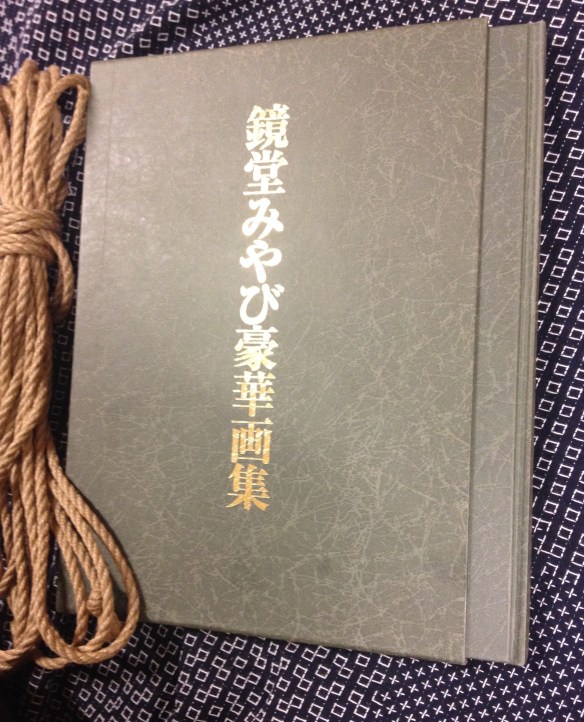

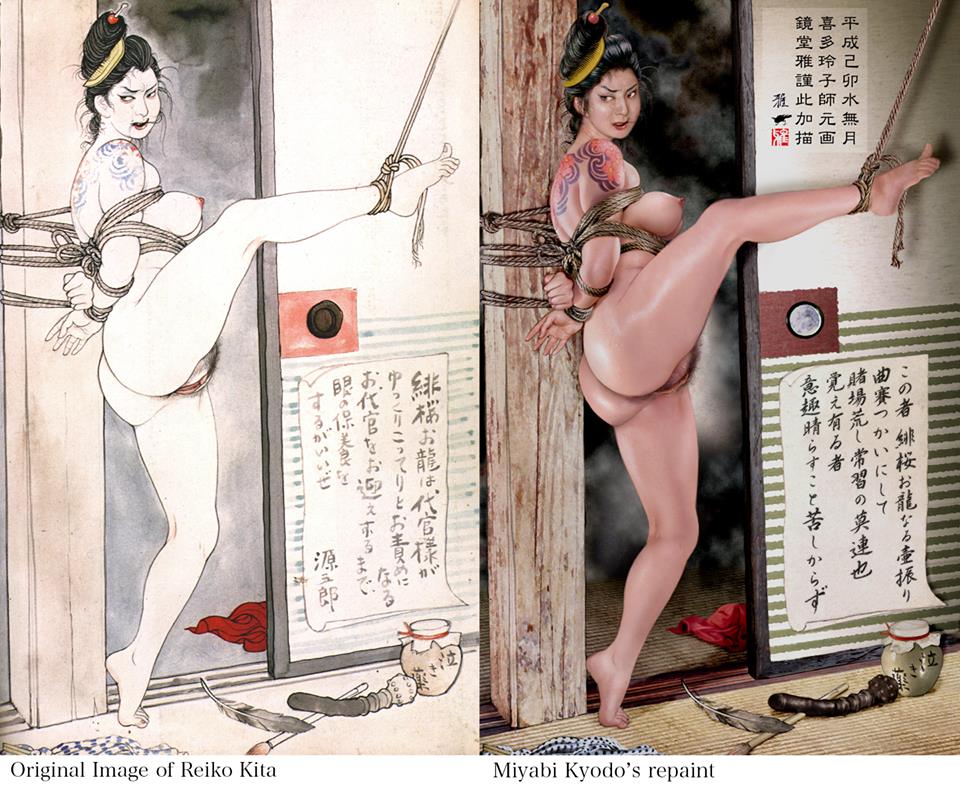
Miyabi Kyodo: ”Gorgeous book of paintings”
鏡堂みやび豪華画集
A green slipcase with a hardbound book, the first one from Sanwa collecting the work of the artist Miyabi Kyodo.
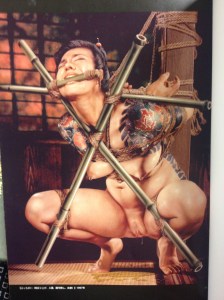
Among its many strong images, the book also contains a homage to Miyabi Kyodos friend and mentor, Kita Reiko (AKA Minomura Kou), in the form of a ”repainting” of one of his works. The scan above is from the book, but generously provided by the artist himself in private communication.
I noted the difference in the text written on the two images, and wrote to the artist to ask about the meaning. He replied (English slightly emended):
”On the original painting by Kita Reiko, it is written: ”Daikan [the local sheriff] will take his time to make fun of Hizakura Oryu [a scarlet cherry blossom], and let everyone observe her carefully as he pleases.” The text in the ’re-painted’ picture is: ”This woman, named Hizakura Oryu, is a dice dealer. This bitch damaged the house by cheating the addicted gamblers. Anyone who suffered a loss may bully this brazen hussy.” And the text with Chinese characters in the upper right corner reads: ”In June 1999, Kyodo Miyabi respectfully re-painted the original by master Kita Reiko /Signature and seal/.””
Very rare, an edition limited to 150 copies.
Publisher: Sanwa, 2002
See also an earlier post on this blog, about Miyabi Kyodos most recent work:
https://kinbakubooks.wordpress.com/2013/09/06/miyabi-kyodo/
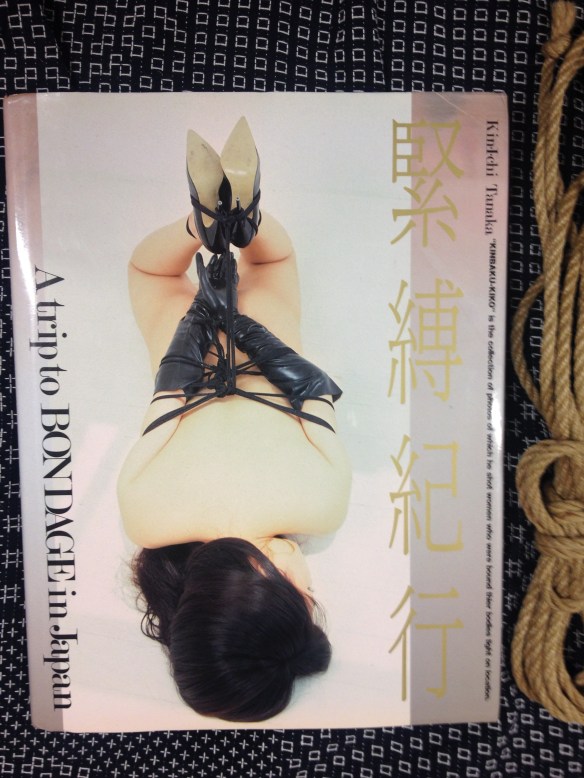


”A Trip to Bondage in Japan” (1997)
This large format hardbound book feautures photography by Kenichi Tanaka, who also took the pictures for Akechi Denkis beautiful ”Pleasure and a Little Pain”. I dont know who did the rope here (not Akechi Denki for sure). Mainly outdoor scenes, both black&white and colour.
See also: https://kinbakubooks.wordpress.com/2013/06/05/akechi-denki-pleasure-and-a-little-pain/
Rope: ?
Photography: Kenichi Tanaka
Publisher: Japan Mix, 1997
ISBN: 13- 978-4883213443

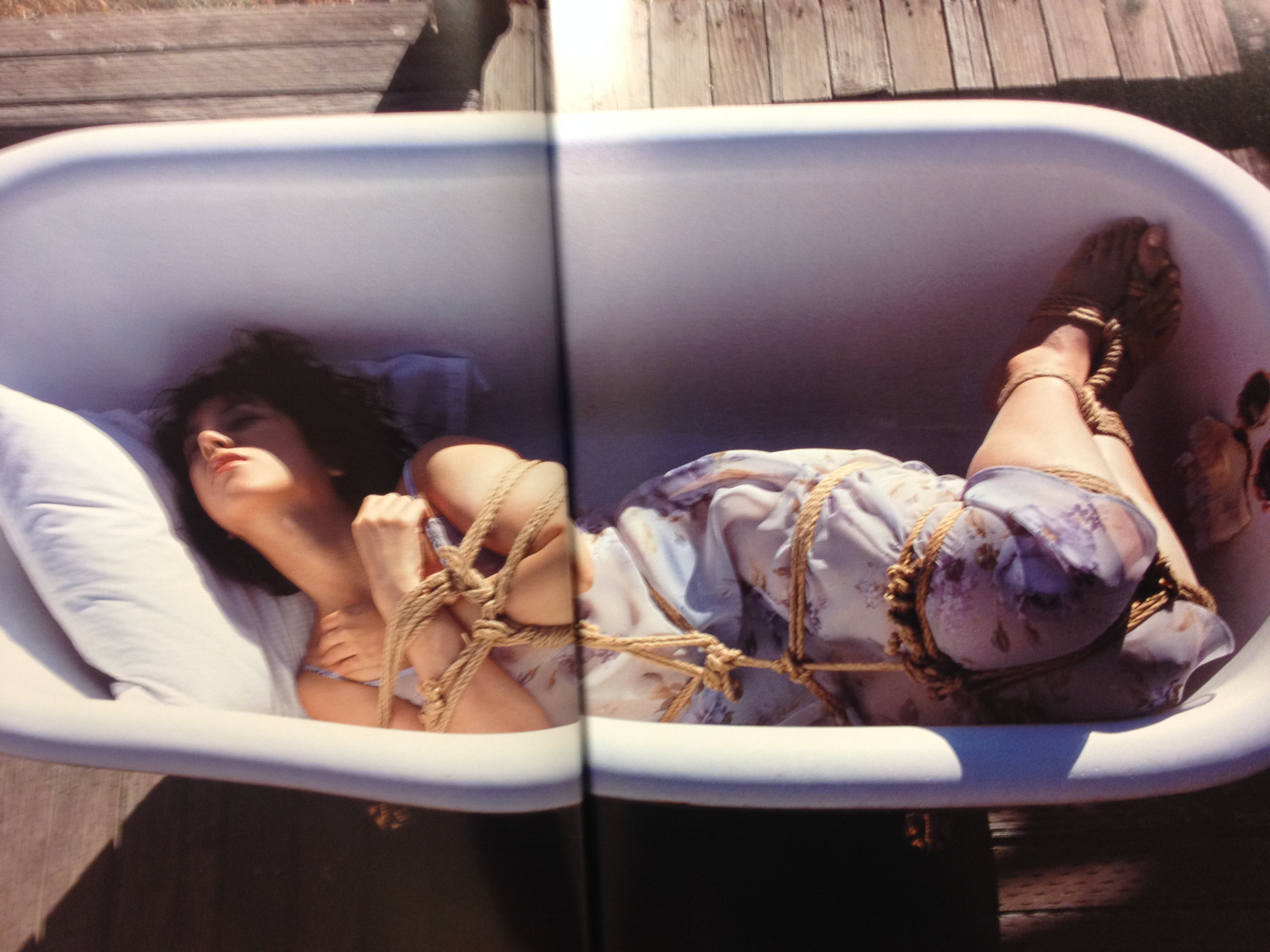
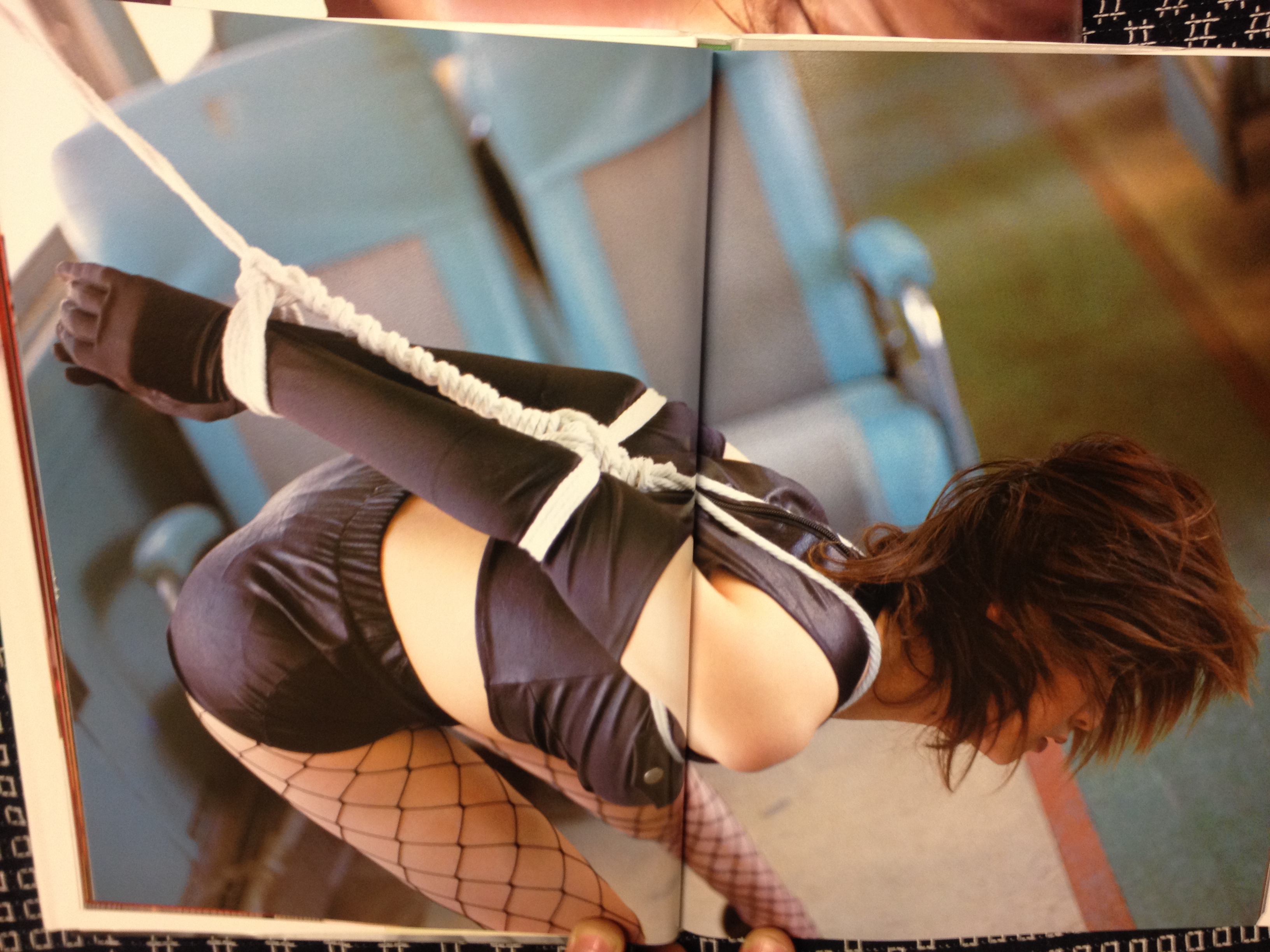
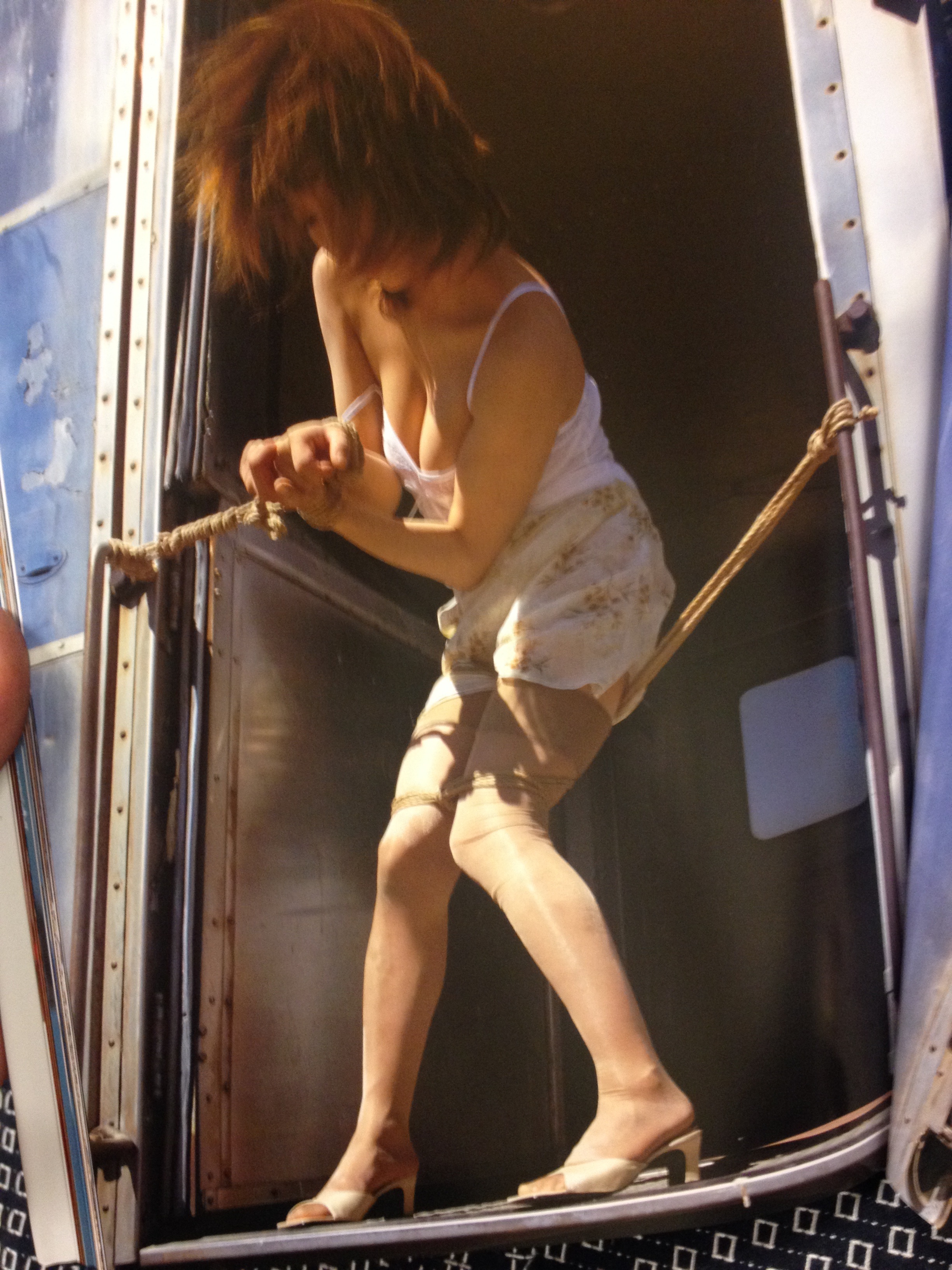

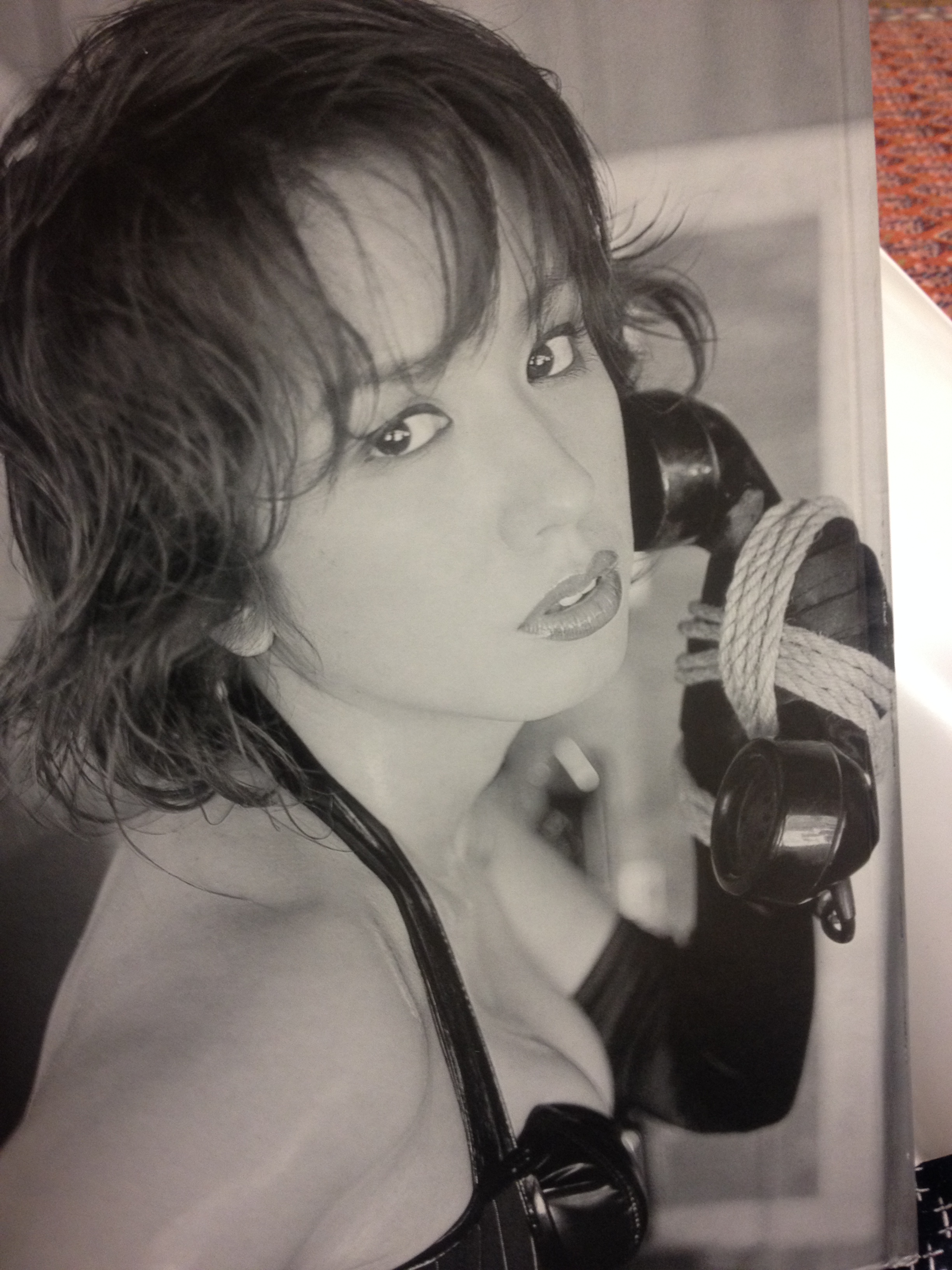


Yukimura Haruki: ”Asereta cho, SM Photos” (2001) and ”Bond Photobook” 1–3 (2002)
These four books, all from the same publisher, have somewhat the same aesthetics. Most of the pictures are without rope, and are at times ”Damsel in distress”-scenarios.
Rope is by Yukimura Haruki, and according to Zetsu, at least the Bond-books were shot while Yukimura was visiting Los Angeles (see http://www.ainawa.com/shop/books/bond-2/)
Rope: Yukimura Haruki
Photograpy: Fujisaki Ayaka
”Asereta cho, SM Photos” (2001): ISBN: 13- 978-4813008705
”Bond 1” (2002), Model: Yu Kinoshita: ISBN: 4-8130-0083-5
”Bond 2” (2002), Model: Nao Eguchi, ISBN: 4-8130-0084-3
”Bond 3” (2002), Model: Emie Yokoyama, ISBN: 4-8130-0085-1



SMセレクト
SM Select (1973)
This is a special issue of SM Select, a magazine with rope by masters as Kita Reiko (AKA Minomura Kou) and Nureki Chimuo, started in november 1970. It contains both illustrations and photos in black and white as well as in colour.

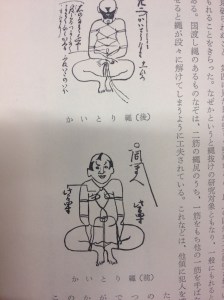
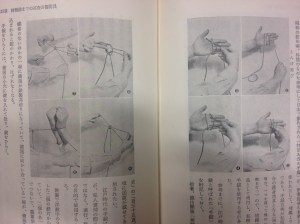

Nawa Yumio: ”Jitte Torinawa No Kenkyuu” (1964), and the dvd:s ”Onna Hankacho” I & II
Nawa Yumio: 十手捕縄の研究
”Jitte Torinawa No Kenkyuu” (1964)
This ”Study of the constables use of truncheon and rope” is mainly a textbook, with a few images, unfortunately (for the interests of this blog), mainly of truncheons… The very few images of hojo-rope, I have reproduced here.
Nawa Yumio, famous for his historically oriented books and articles documenting hojojutsu as well as Edo-era forms of punishment and torture, also wrote the script for two dramatic films on this theme: ”Onna Hankacho I–II, Edo gomon keibatsu” (1998), directed by Masaru Tsushima, with lots of content relevant for anyone interested in ”semenawa”.
おんな犯科帳~江戸拷問刑罰抄
Onna Hankacho ~ Edo gomon keibatsu
(Torture and Punishment in Edo, 1998)
ASIN: B00005F5W1
おんな犯科帳~江戸拷問刑罰抄
Onna Hankacho 2 ~ Edo gomon keibatsu
(Torture and Punishment in Edo, 1998)
ASIN: B00005F5W2

Four Japanese Hojojutsu-books
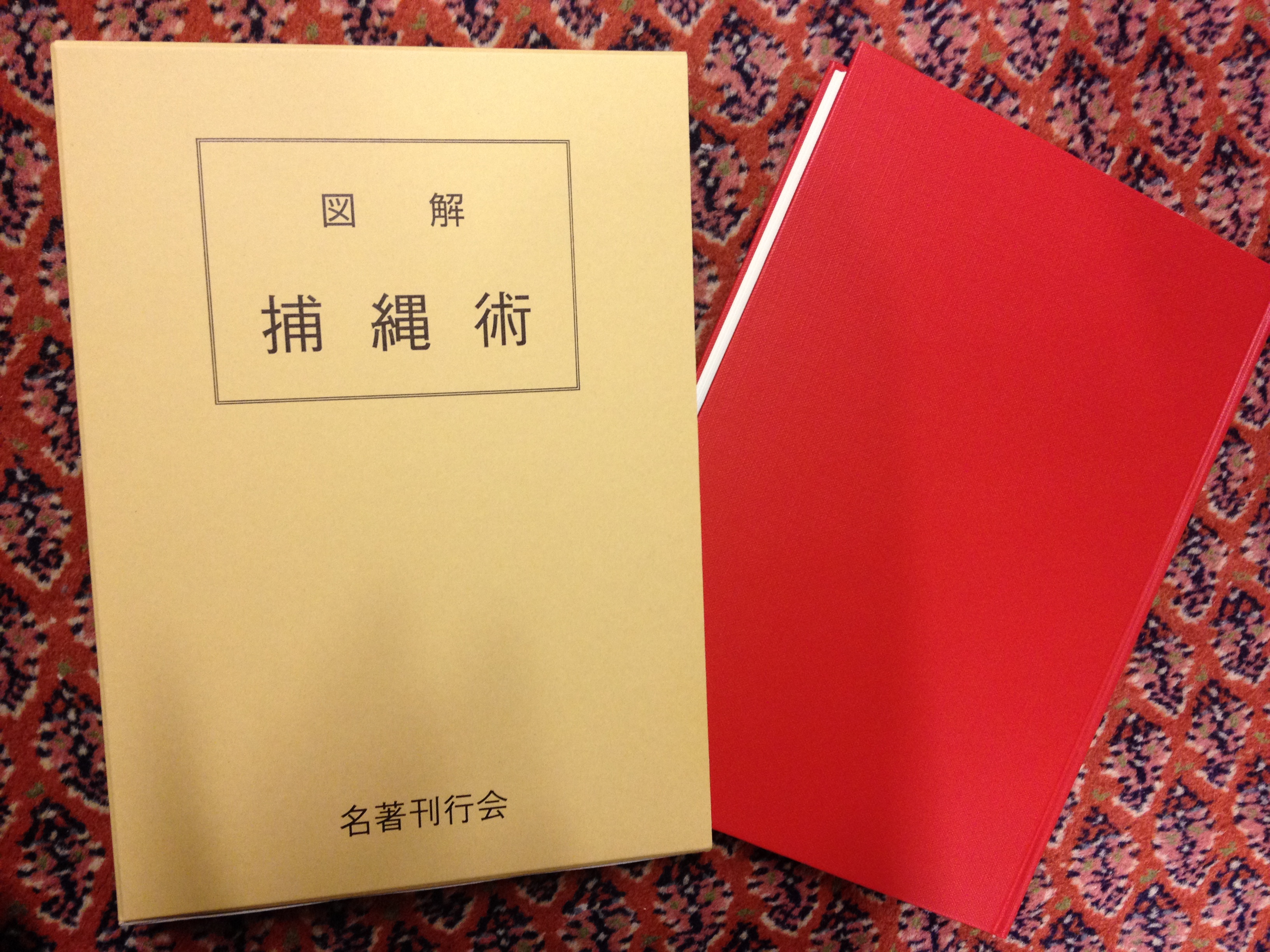
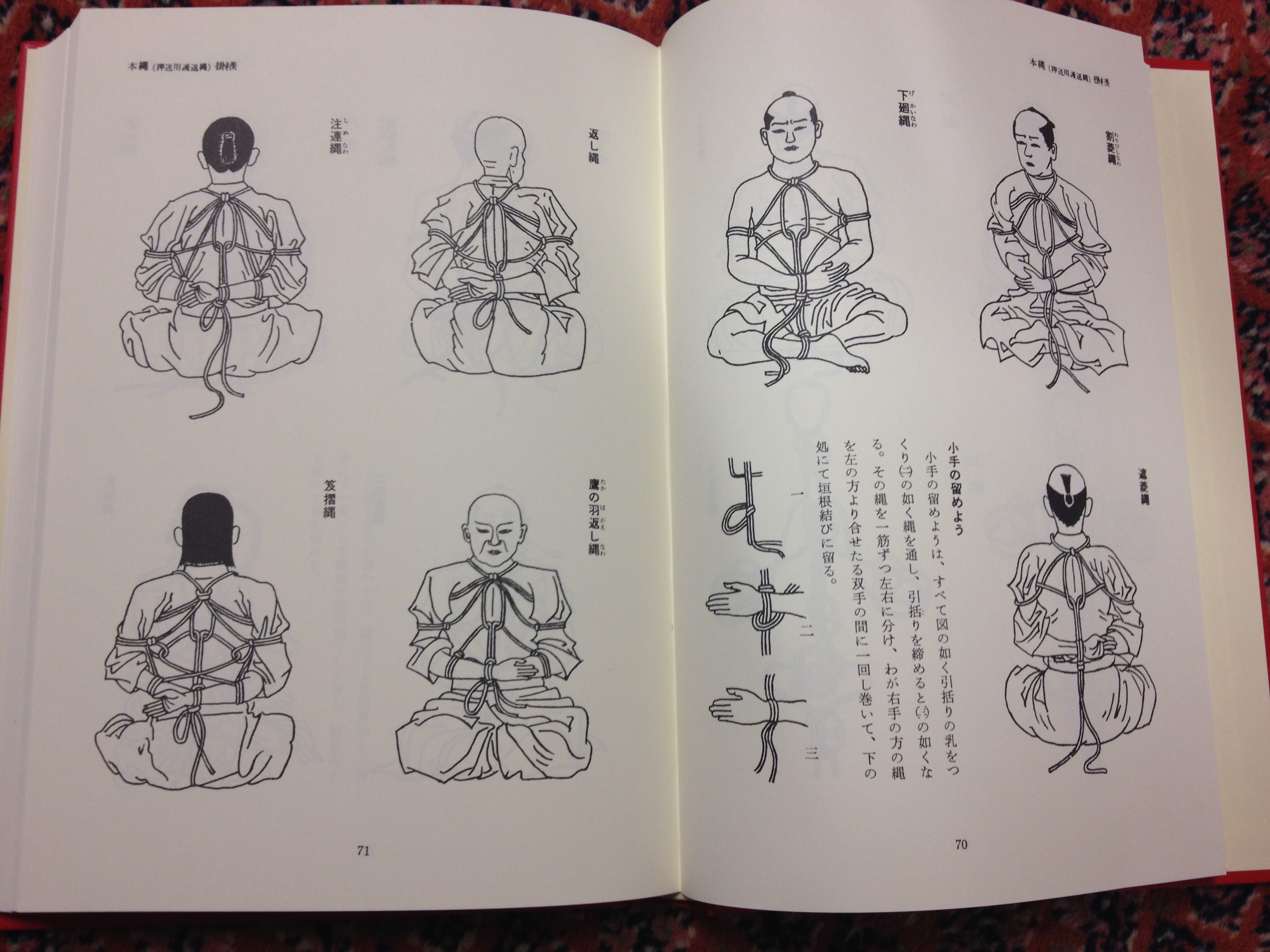
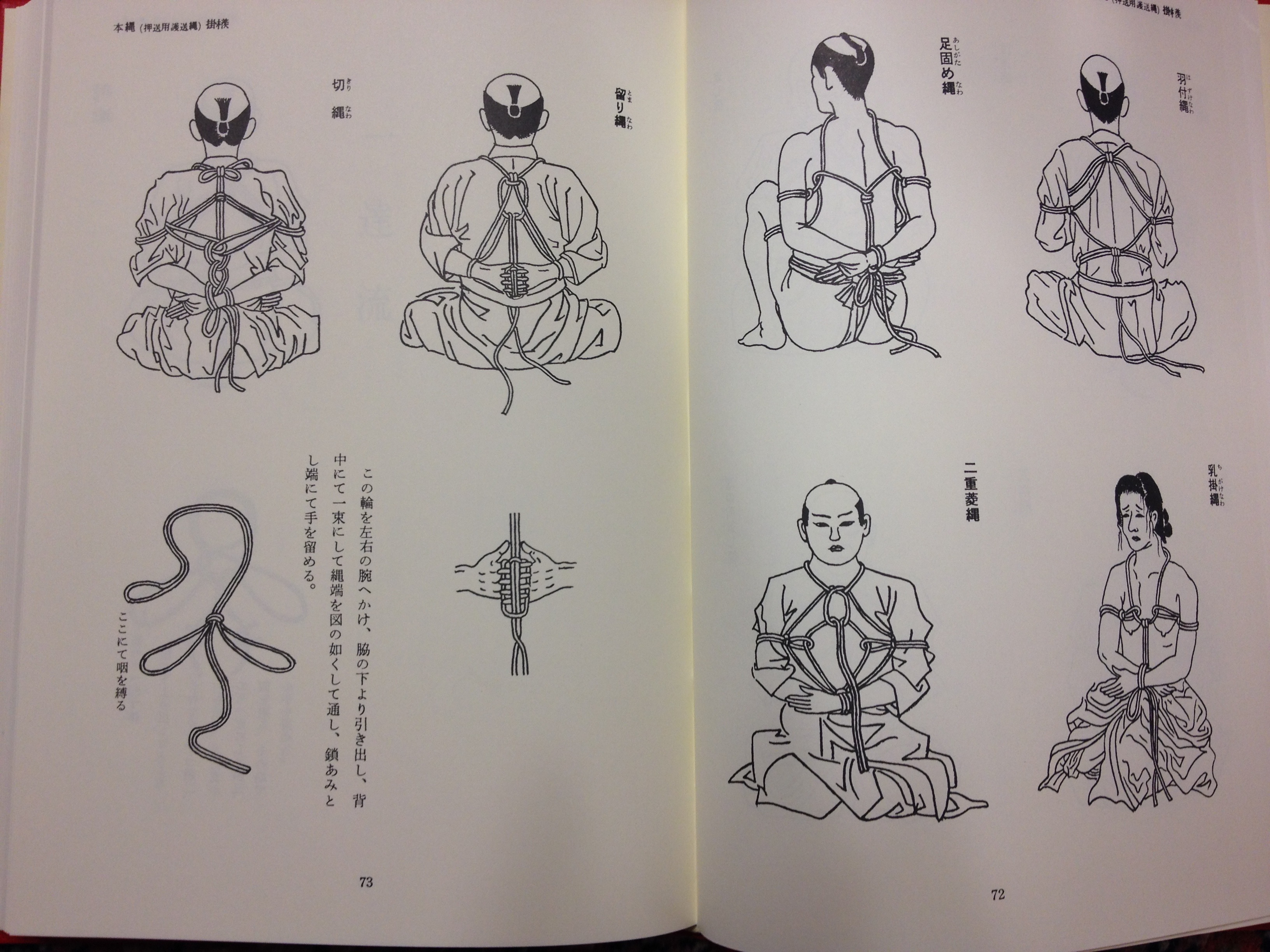
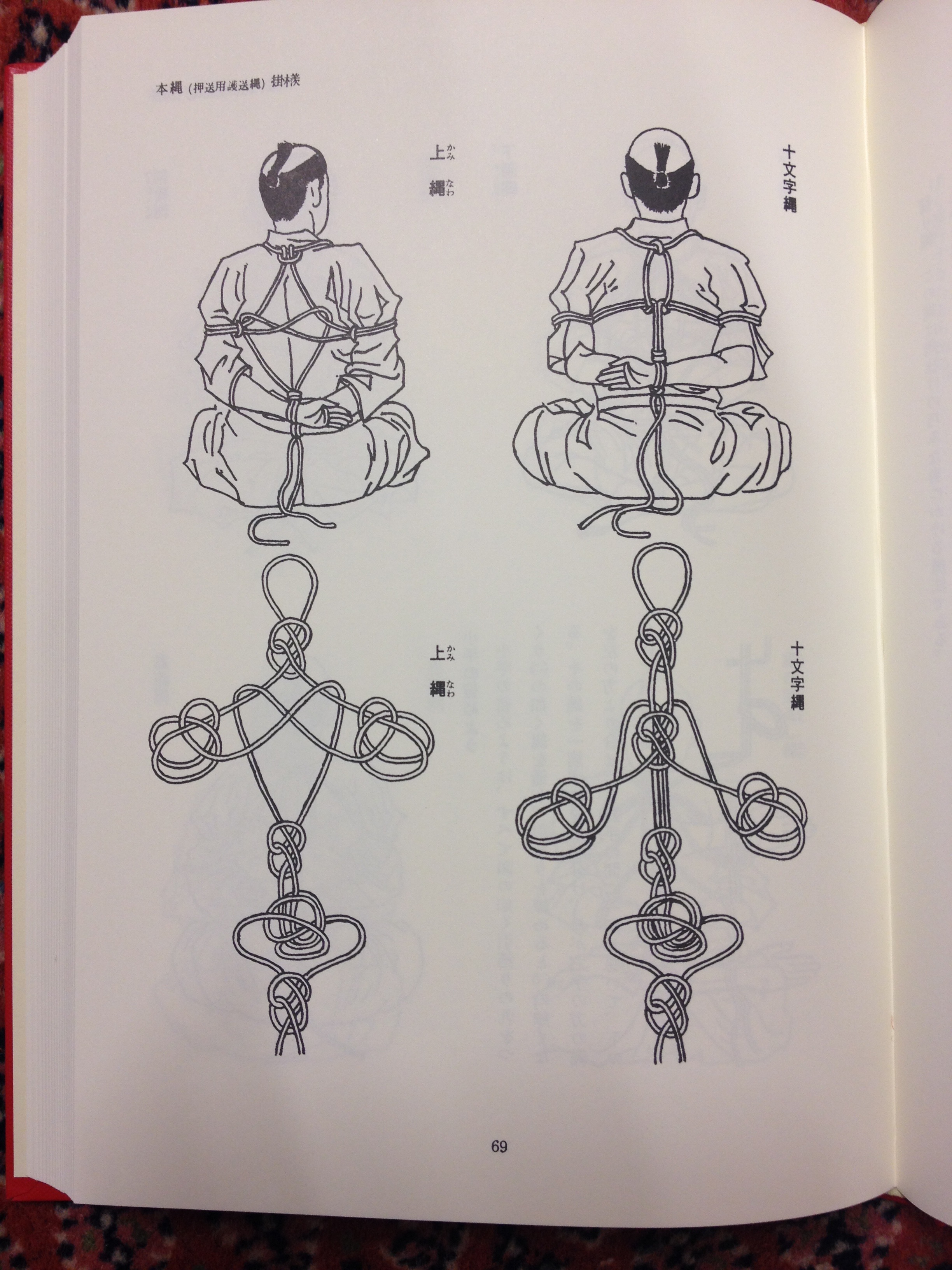
Fujita Seiko: ”Zukai Hojojutsu” (1964)
図解捕縄術
ISBN 978-4-8390-0297-8
This is without doubt the greatest and most important of the Hojojutsu-books. A hardbound red book in a yellow carton slipcase, 327 pages with beautiful images, cataloging all the different hojojutsu ties from the different schools. This is NOT a how-to book with step-by-step rendering. In a peculiar and to my mind very beautiful way, the ties are sometimes depicted with a person being tied, and next to it only the pattern of the rope, floating in the air.
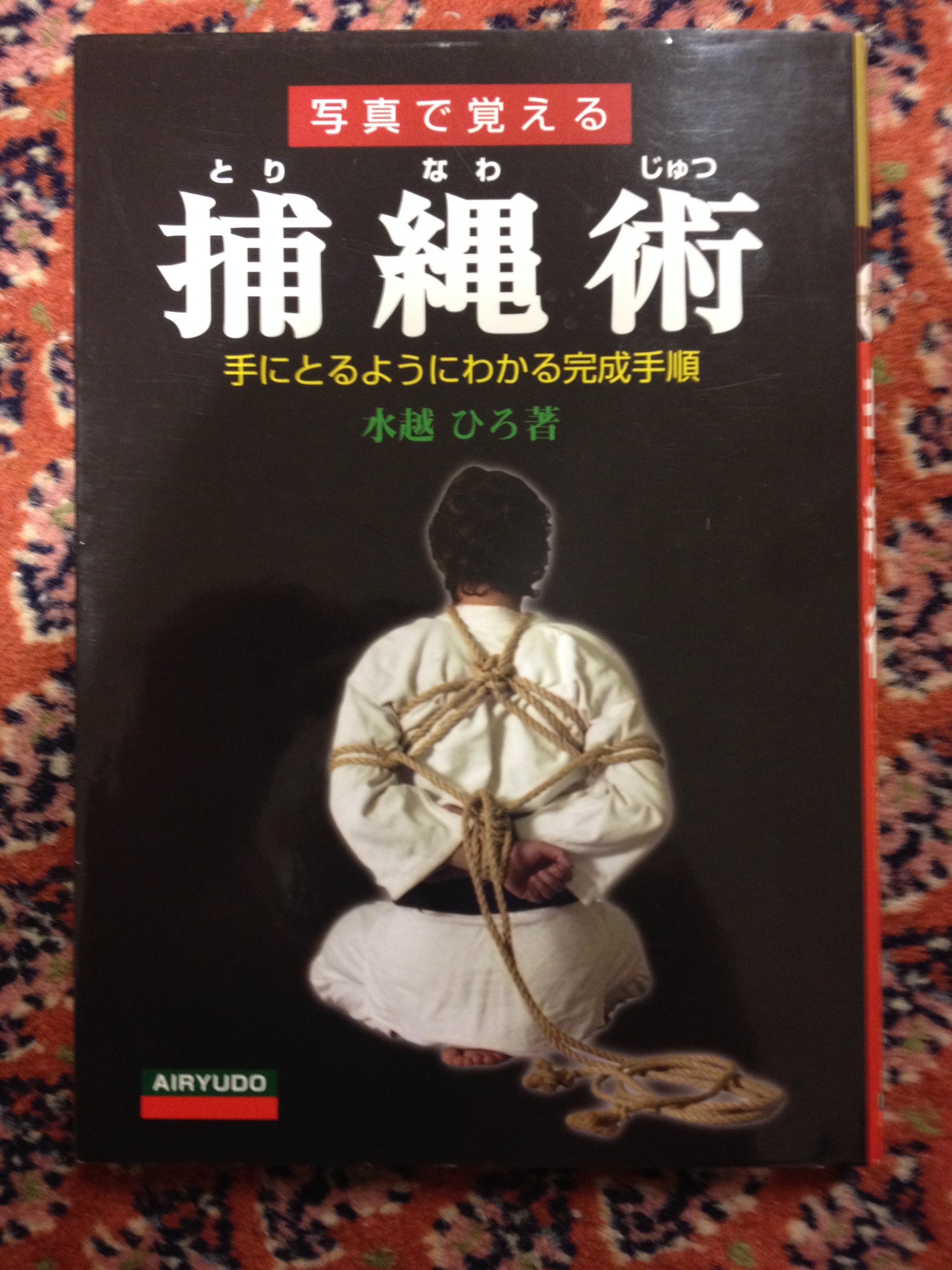

Mizukosho Hiro: ”Shashin de oboeru Hojojutsu” (2005)
写真で覚える捕縄術
ISBN 978-4-7502-0282-2
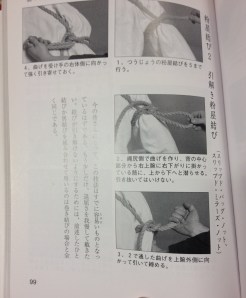
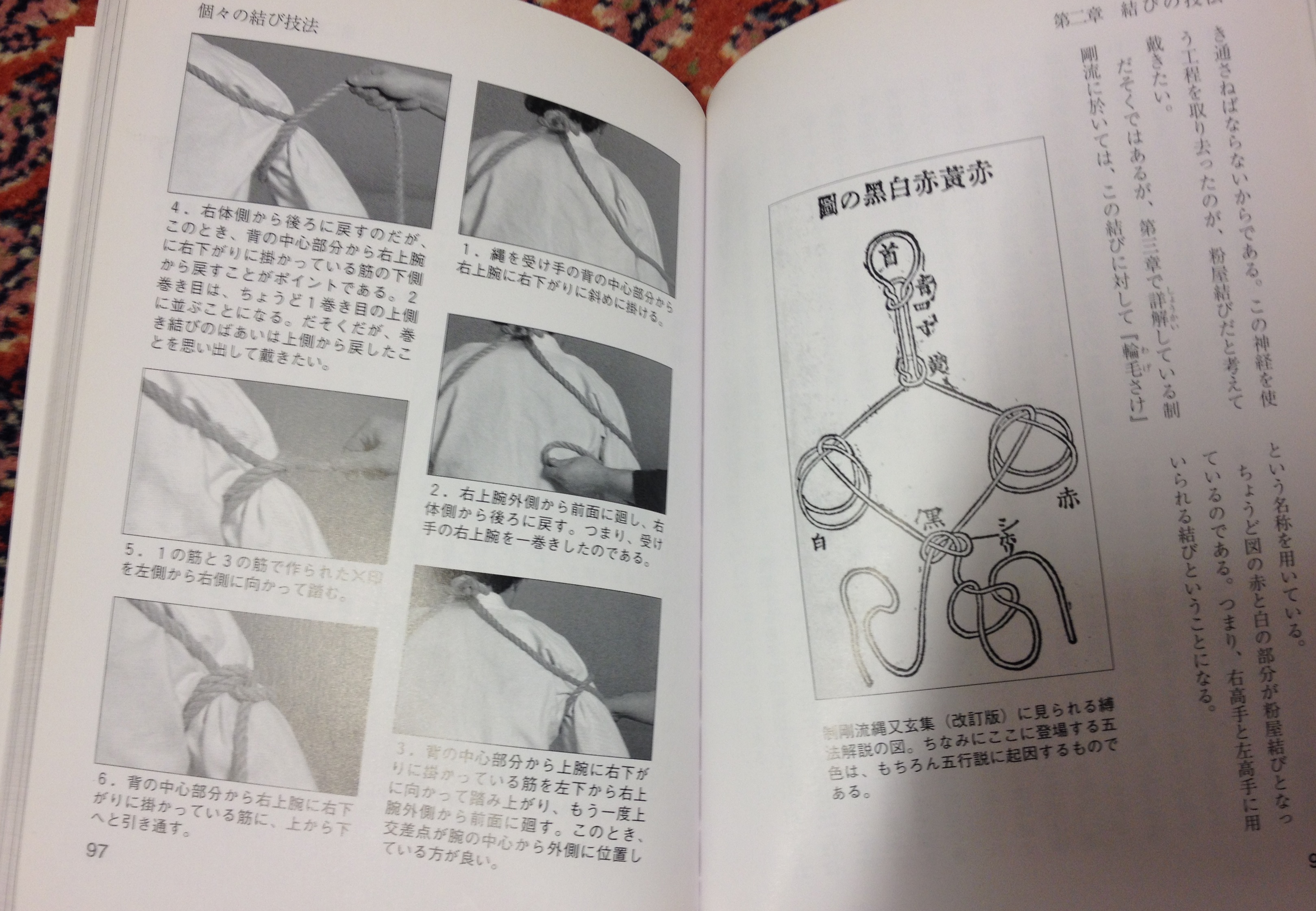
This in contrast IS a how-to book, showing a number of hojojutsu ties in pictures step by step.
There is a newer edition, with a little bit better black-and-white separation of the images, but the newer edition is shorter, lacking almost 60 pages with many ties. The new edition (2013) has ISBN 978-4-7502-0331-7

Kazuhiko Itatsu: ”Yoriki, doshin, jitte torinawa” (1992)
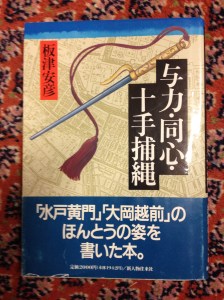
与力・同心・十手捕縄
ISBN: 4-404-01942-4
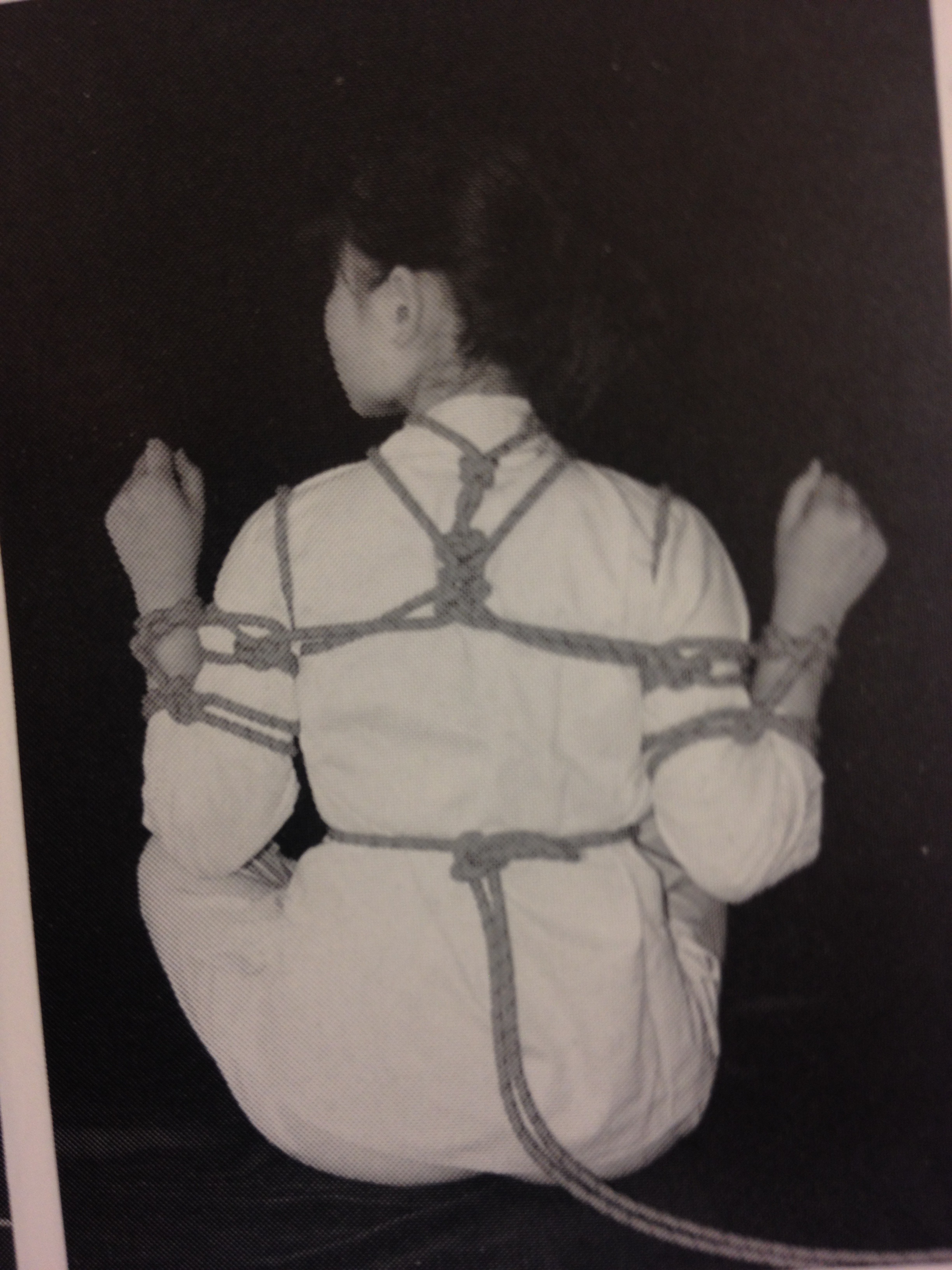
This is mainly a textbook with historical research, but has 60 small, albeit high quality, images, with modern recreations of hojojutsu ties.
In 2007, Nureki Chimuo wrote on his blog about this book. Now available in Faviola Llervus’ translation:
”Looking at the 60 tiny business card-sized monochrome photos inserted in the book ‘Yoriki, Doshin and Jitte Capture Rope’, I was so turned on I couldn’t stand it. (…) I am honestly more turned on by this black and white photo than by a hundred books of beautifully colored kinbaku photos of totally naked women’s bodies lined up in front of me. It turns me on. It makes me want to masturbate.”
https://www.wallflowercodex.com/kinbakunomicon/pages/2007chat0501.html
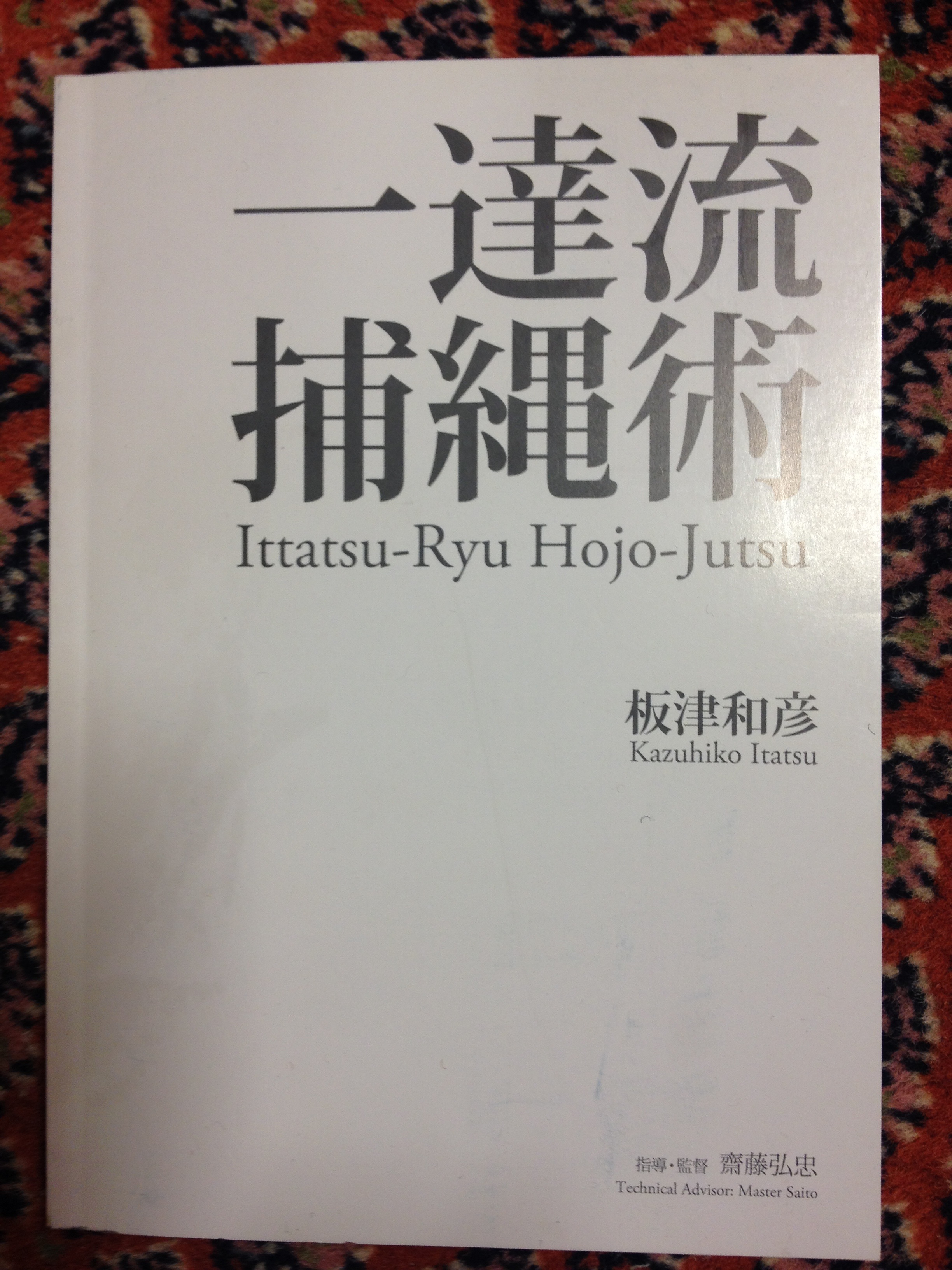
 Kazuhiko Itatsu: ”Ittatsu-Ryu Hojo-Jutsu” (2011)
一達流捕縄術
ISBN 978-4-9905829-0-6
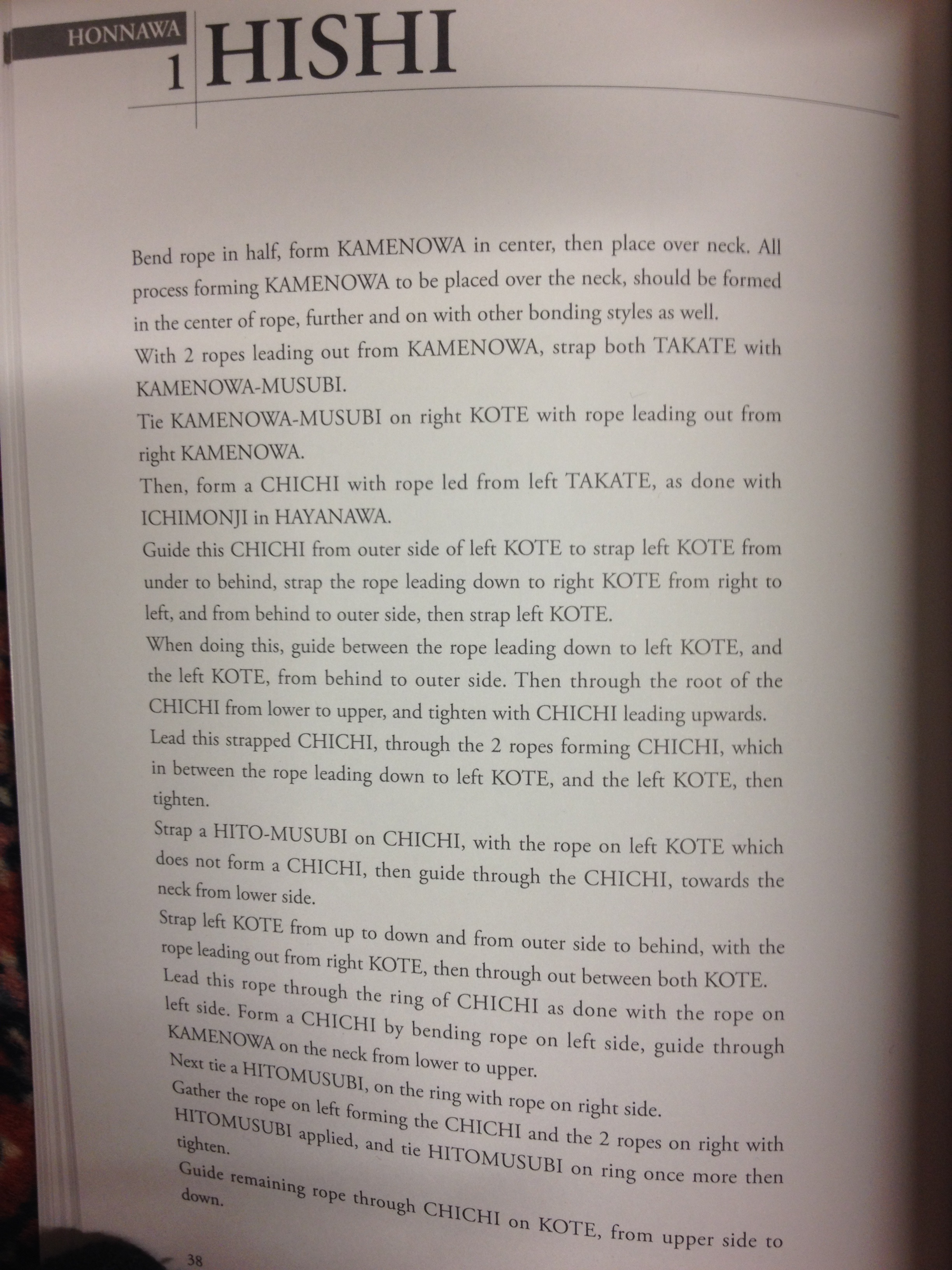
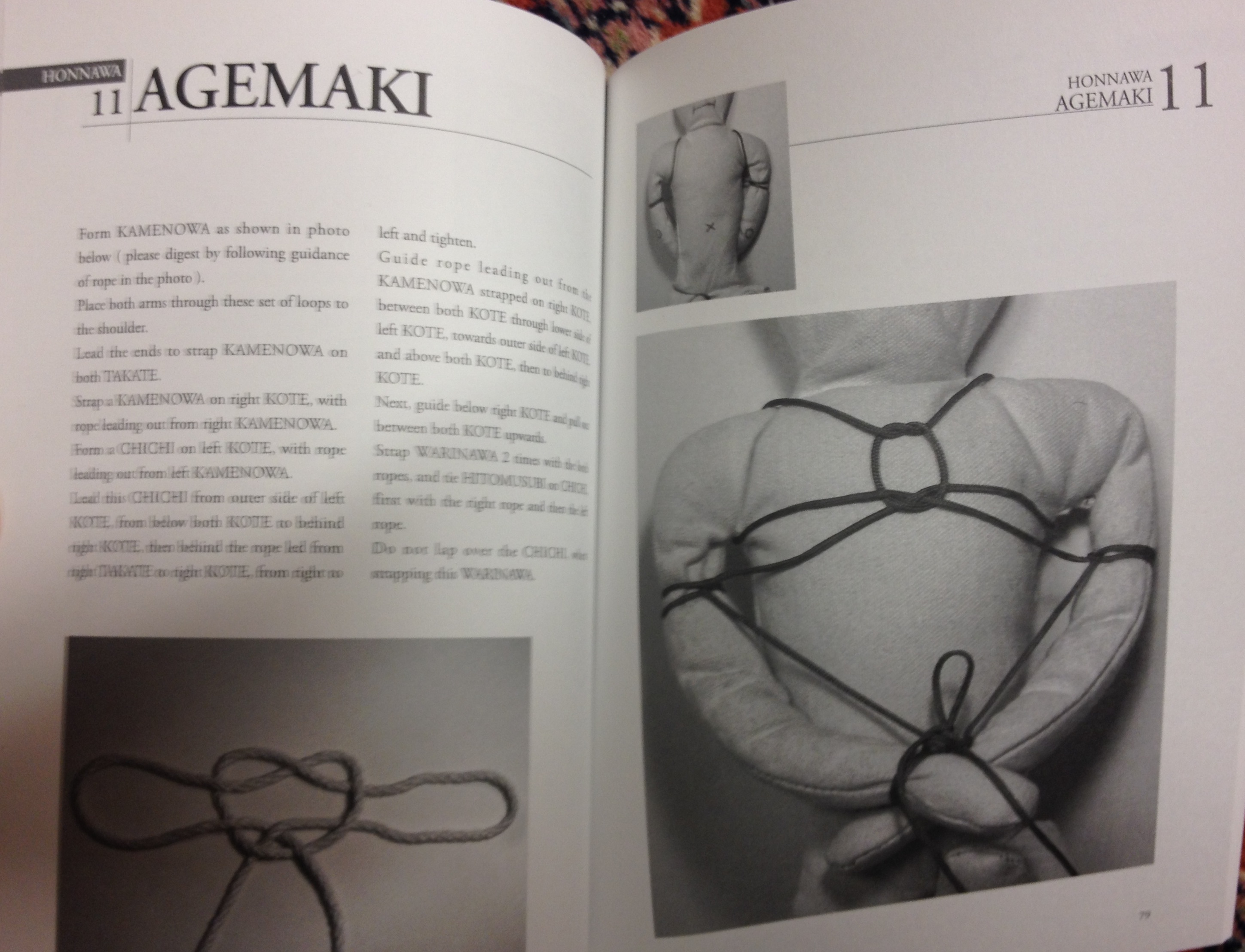
This is a comprehensive description in text of how to tie some of the main hojojutsu ties, in Japanese and in (well… some kind of) English (see sample page). Each tie is showed on a doll, only in its finished state and only from one side (not step by step). The last pages show images taken by the researcher Nawa Yumio, of old dolls that was once used for hojojutsu-practice.
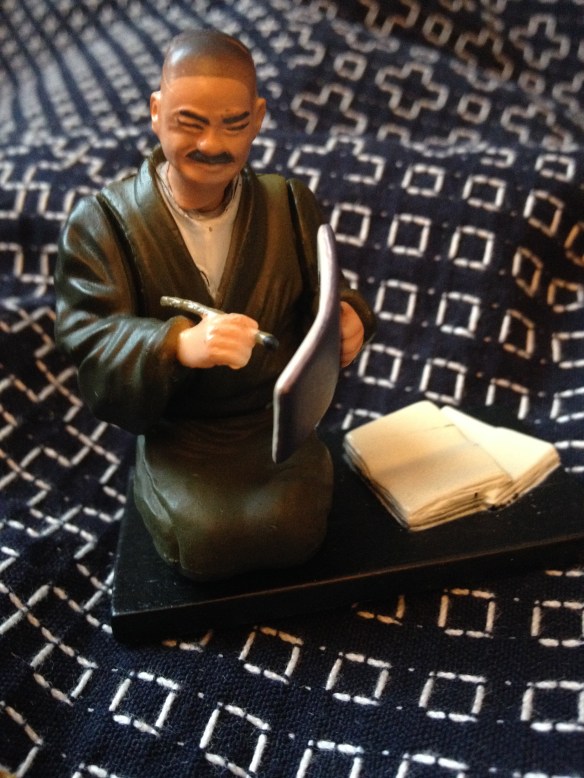
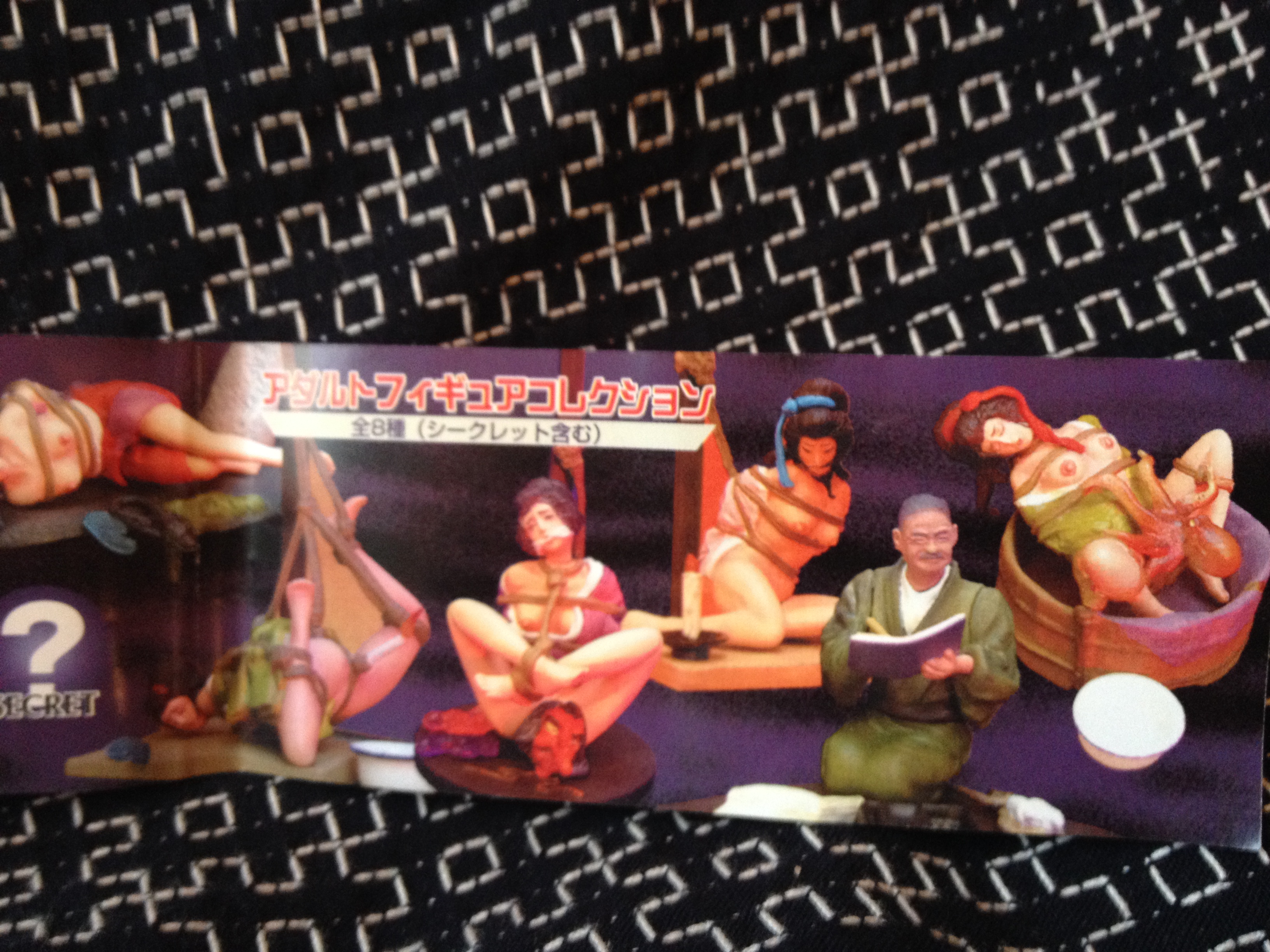
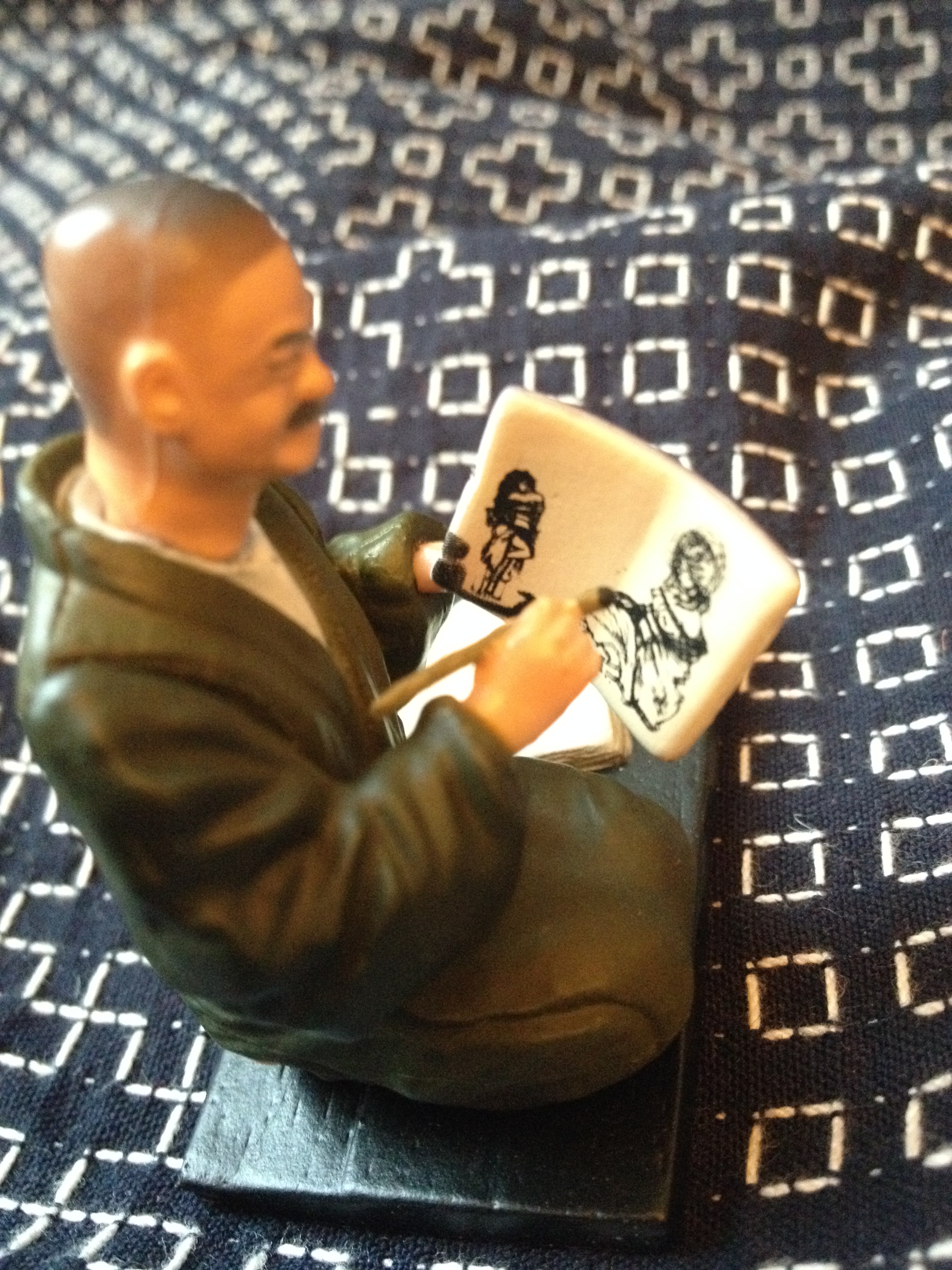
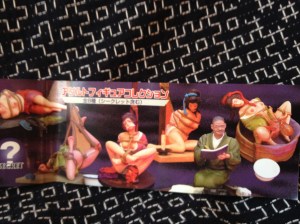
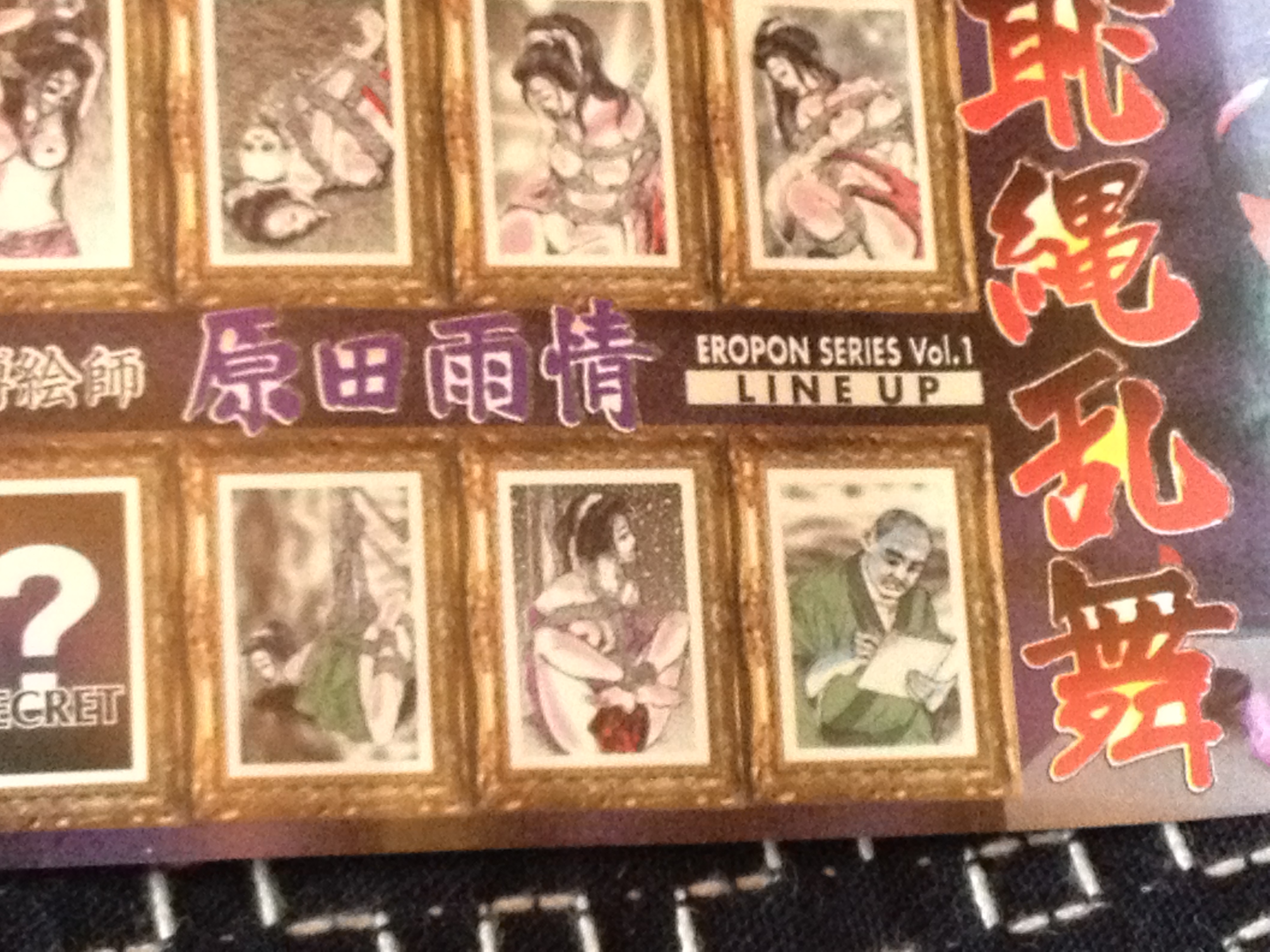
Kinbaku-paraphernalia… This makes me wonder just how well-known Itoh Seiu is in Japan. A series of eight plastic figurines, depicting Itoh Seiu and some of the scenes he created.
These are not bodies in random poses wrapped haphazardly in rope. The same company also made a series of eight figurines based on the work of Muku Youji – they do seem to have some insight into the history of kinbaku…

 Kinbaku Books